Theatre has always been resourceful. We borrow furniture from someone’s aunt. We paint flats over multiple times for the next show. Costumes are on literal loan from Savers. We make magic out of the content with the smallest of resources. (How many times has a board member somehow served as a sound designer, the box office manager, and the kid wrangler lol?)
So yes, I understand the temptation.
You need a poster or a social media graphic. You have no budget. The show opens soon. Someone says, “Why don’t we just use AI?” A prompt goes in, a dramatic image comes out, and suddenly you have a poster…Sort of.
But here is the thing:
everyone knows.
AI posters have a look. They're...dramatic in the same vaguely cinematic way. They feel too perfect and too chaotic at the same time. Faces look almost human, but not quite. Hands vanish into shadows or have more fingers than intended (even if you are using real people as the inspo). Text gets weird and fuzzy. Layouts are busy for no reason. The image might feel impressive for three seconds, but then the audience starts to notice the seams. (If you don’t believe me, do a search on Instagram for “AI Posters” and notice how the really “professional” graphic you thought you cooked up looks exactly the same as the Fire festival, local trash removal, and doggy day care companies' designs.)
And once they notice, they see the poster differently…and then they see your organization differently.
That is the part we need to talk about. When we create posters, graphics, and content for our organizations, we are inviting people into our “home”. We are asking people to believe that what happens on stage matters. We are asking actors, designers, musicians, volunteers, donors, and audiences to invest in a shared human experience.
So what does it say when the first public-facing piece of storytelling looks like nobody made it?
A poster is supposed to tell people what kind of production they are about to see. It sets the tone. It signals quality. It creates expectation. It says, “Here is how we understand this story.” When that message is outsourced entirely to a prompt, the result may be fast, but it is often hollow.
And in a field built on human expression, hollow is a problem. You are left with an empty poster that invites someone into a home…but no one is there.
This does not mean every organization needs to hire an expensive agency or produce Broadway-level campaign art. Most do not have that kind of budget. But limited resources are not the same thing as no standards. I’m simply suggesting that instead of AI-slop of endless “perfectly crafted” text that has a high word count but somehow says nothing at all, and busy/messy graphics…we can just say what we mean to say by leveraging our network of talent. In fact, many of these organizations have always done some of its best work because people had to be thoughtful, clever, and collaborative.
Some suggestions.
- Build an SOP (Standard Operating Procedure). How do you announce an audition, a new cast, or ticket availability? What are your photography guidelines? Tone of voice? Process for creating, approving, and distributing content? When you have these parameters set, it makes it easier for volunteers to jump in and implement.
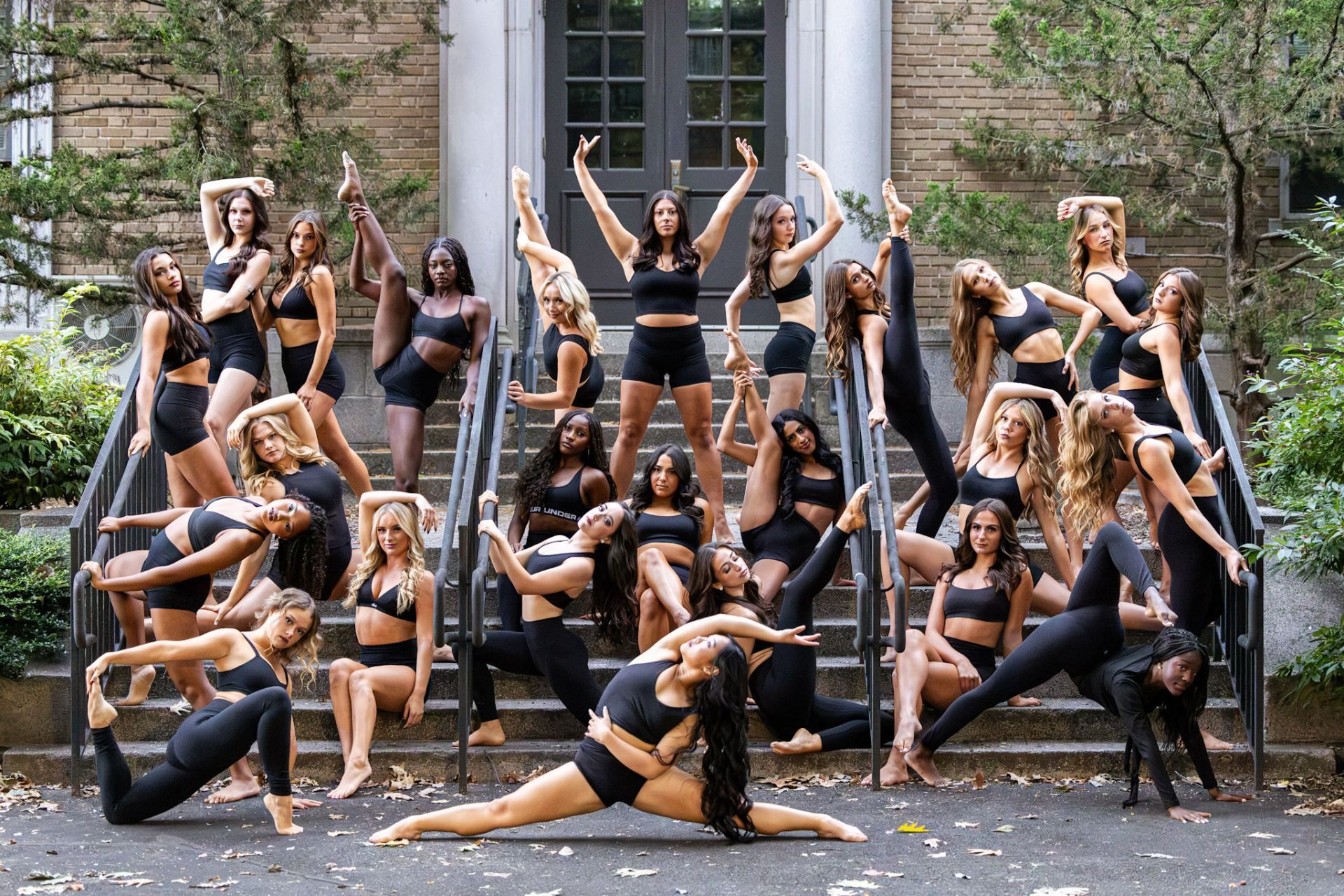
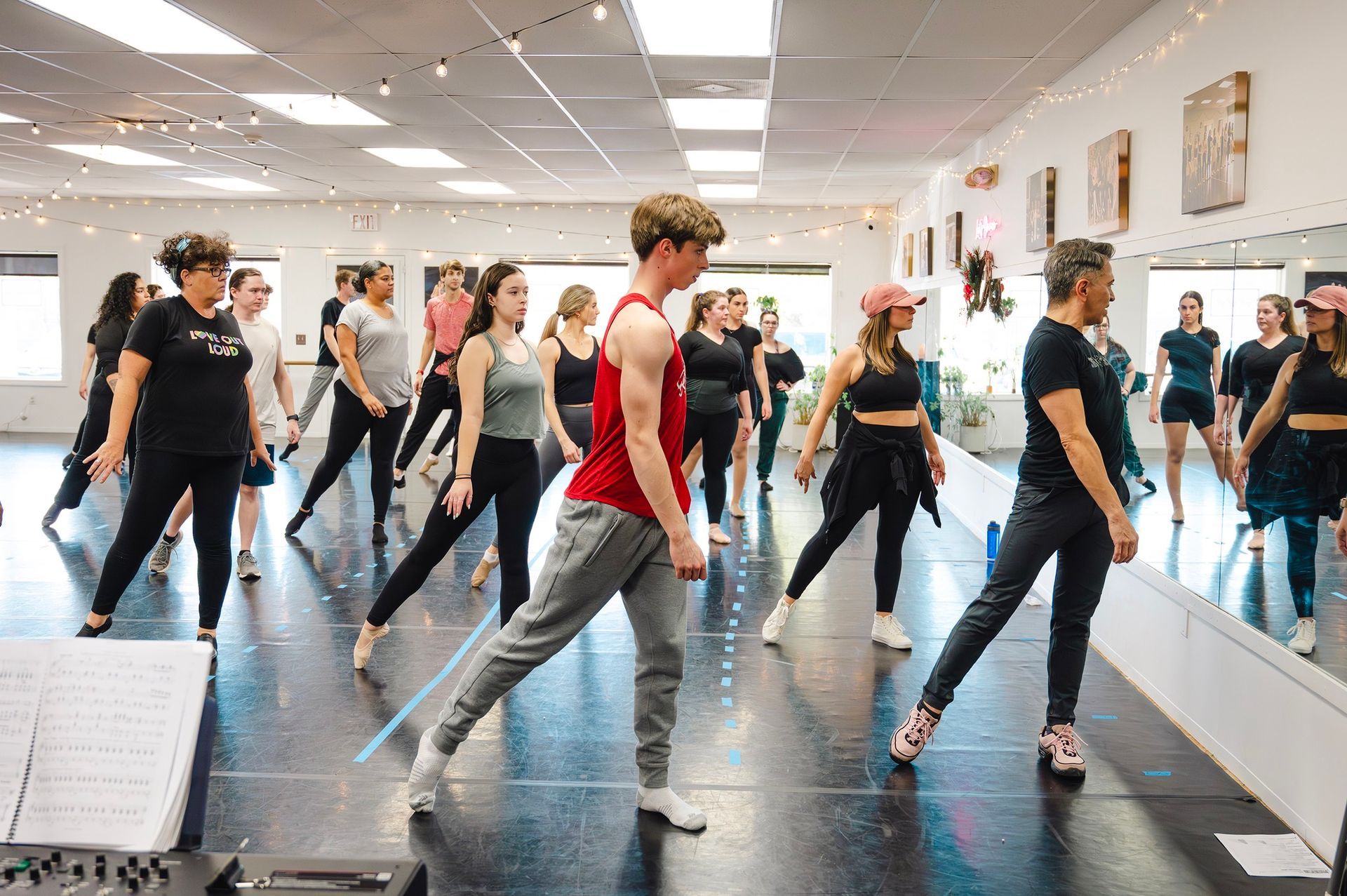
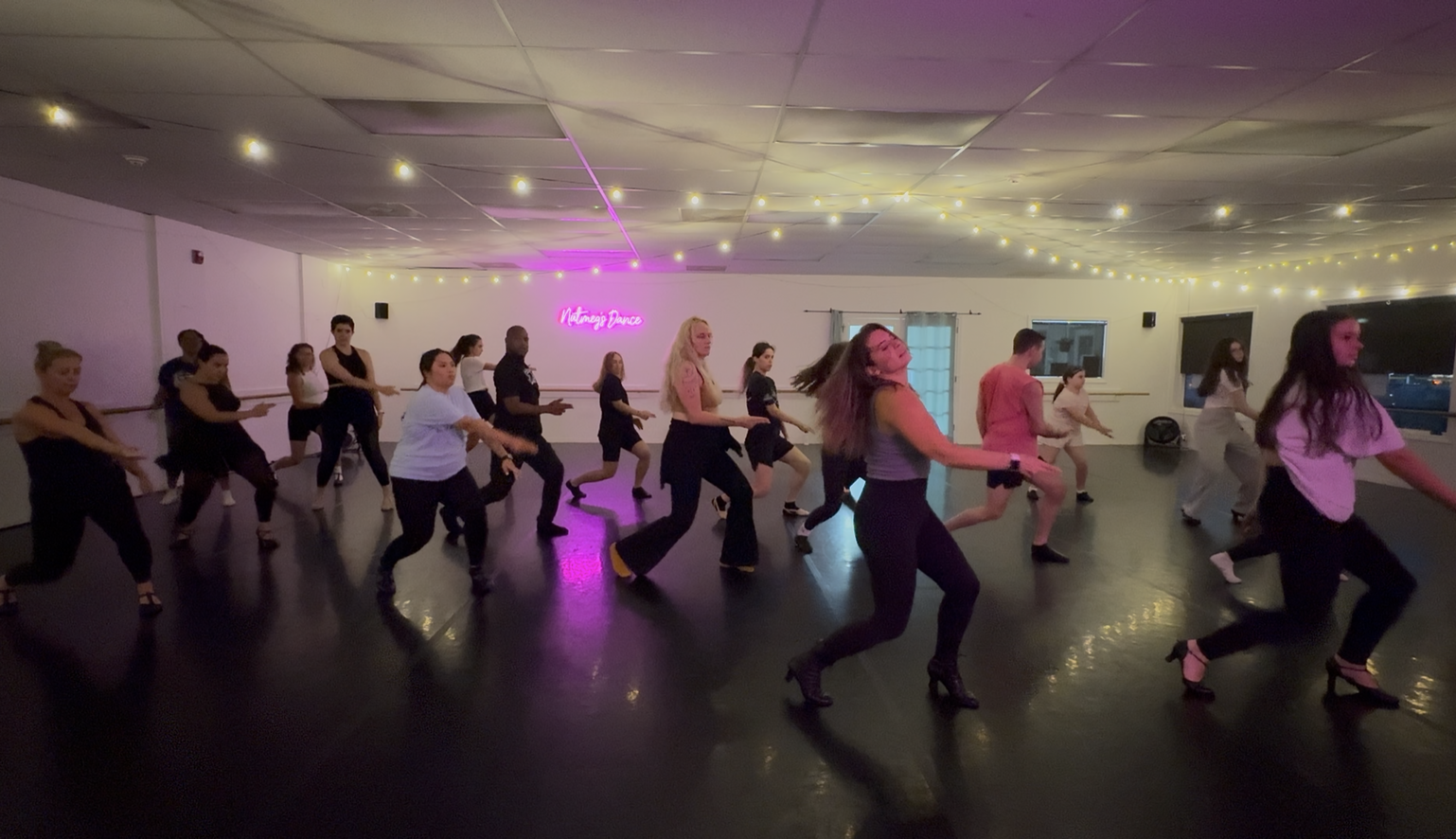
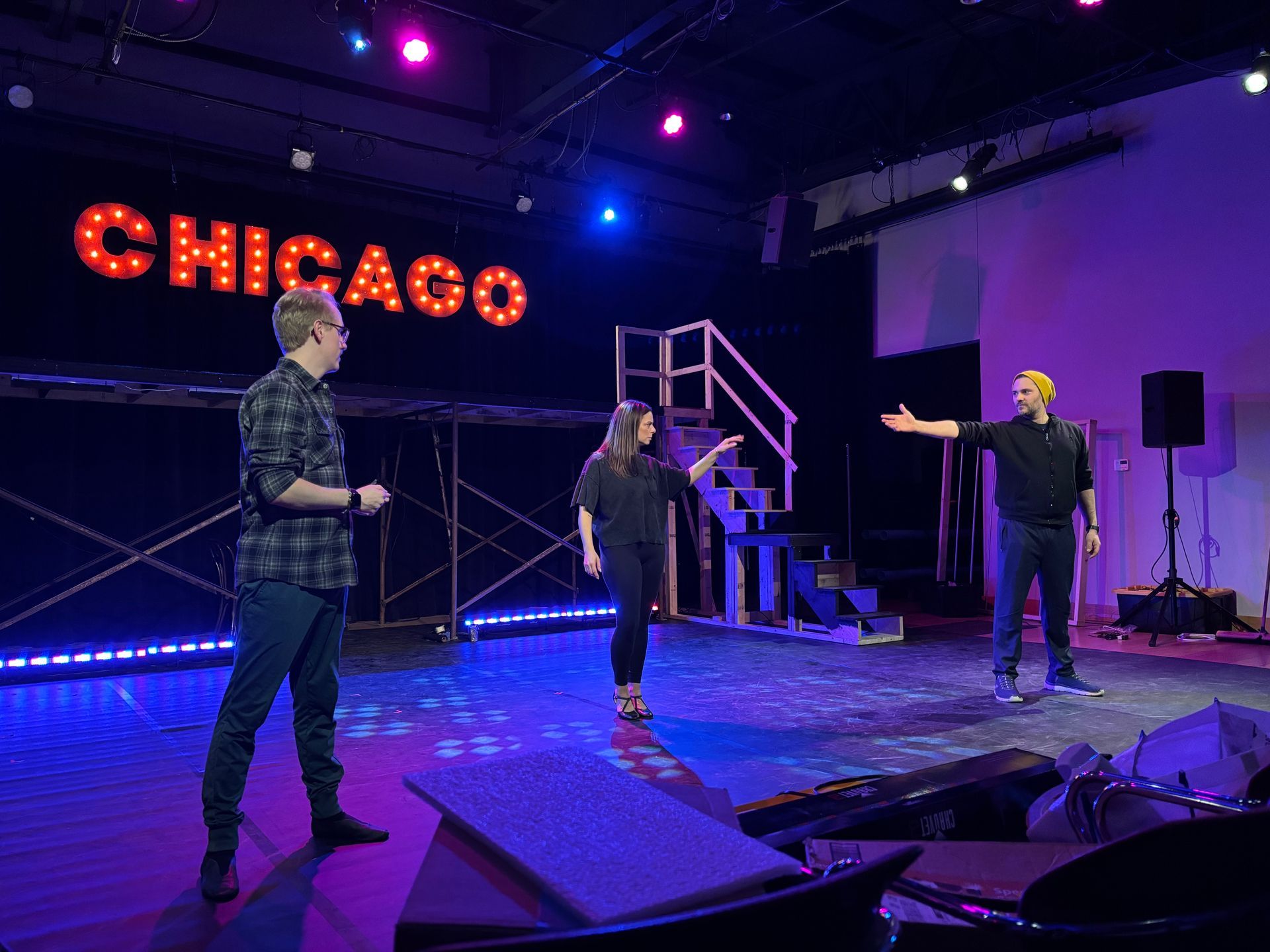
- Leverage your people. Not everyone who gets involved with theatre/dance/art is an actor, dancer or artist. Ask the photographer in your network if they would be willing to take stylized rehearsal photos. Ask a local art student to create a show image for a portfolio credit and a small stipend. Reach out to a local illustrator, graphic designer, college design program, or high school art teacher. Hold a poster contest. Build a relationship with a designer who cares about theatre. Use one strong photo, one clean typeface, and one clear idea. Did you know that one cast member has an English degree? Why not ask if they want to get involved with copywriting and/or editing? You get the idea.
- Use Tools. Canva may not be as fancy as Photoshop, but it can accomplish a lot. You can load in your brand guide, create from scratch, or work from templates. (Careful not to do tons of random templates that don’t create a strong brand expression.
- Abide by the standards. When you get more people involved, you’ve got people power. That SOP will play a role in managing processes and standards.
This part may be controversial, but I can understand why organizations use AI to help with communication/marketing, etc. In theory, AI can help with early ideation. It can help with brainstorming visual directions, color palettes, or layout options, as well as understanding print dimensions, social media crops, or accessibility considerations. However, most of these organizations are unaware that these are merely jumping-off points, and to get an accurate response, you need a foundation of knowledge to judge whether the response is correct.
AI hallucinates information when it doesn’t know the answer. (Just ask ChatGPT to tell you which month of the year has the letter “x” in it.) It wants to be “right”, so it will double down on bad information or spit out random information so that it can answer your question. Here is an
interesting article
that helps you to understand the problem with AI Hallucinations. Or, watch this
video of ChatGPT handling "translation". (Feel free to go down that rabbit hole and watch all of his videos of ChatGPT hallucinating in real time.)
It's not just ChatGPT. We asked Claude to create a 5x7 graphic and uploaded a super detailed prompt. We received a busy design, sized at 10x6. Without any basic design knowledge, someone might submit this incorrectly sized graphic to a program. We went back and forth with the tool for about 10 minutes and never arrived at something good enough to use. The reality is that these tools don’t even create reliable products…so why are we risking our reputation/image over them? And don’t even get me started on the environmental concerns, data concerns etc.
But let’s say that AI doesn’t do that (which it does), there is still a core issue with asking AI to create the entire visual identity of your production and calling it done. The issue is not whether tools are allowed. Tools have always been part of theatre. We use lighting software, projection systems, tracks, templates, scheduling apps, and design programs.
The question is whether the tool supports the human work or replaces the human point of view.
Because once everything starts to sound and look AI-generated, your brand begins to lose its pulse. Everything becomes generic: captions, posters, social media, email campaigns, the program. It’s giving: written/created by someone who has never sat through tech week with a granola bar for dinner. Eventually, your voice becomes polished, efficient, and completely forgettable. The lights are on, but nobody’s home.
Theatre is already fighting for attention in a crowded digital world. The answer is not to become more artificial but rather to become more specific. (Luckily, AI tends to lack specificity and speak very generically, so this is an easy way to stand out. We know better than anyone that shortcuts have consequences. Skip the character work, and the performance feels thin. Skip the music rehearsal, and the harmony falls apart. Skip the design process, and the world of the show never fully arrives. But when you take the longer path, you're often left with something you can stand behind.
So before your organization posts the next AI-generated image with melting faces, mystery hands, busy backgrounds, fuzzy text, and seventeen dramatic light sources, ask the better questions:
Does this actually tell our story? Does it make us look professional or lazy? Human or empty?
Then, find the right person. Make the call. Take the photo. Sketch the idea. Pay the artist if you can. Credit the work. Build something that feels like it came from a real place.
Because theatre is a human business, your communication should feel like someone is home when audiences knock.
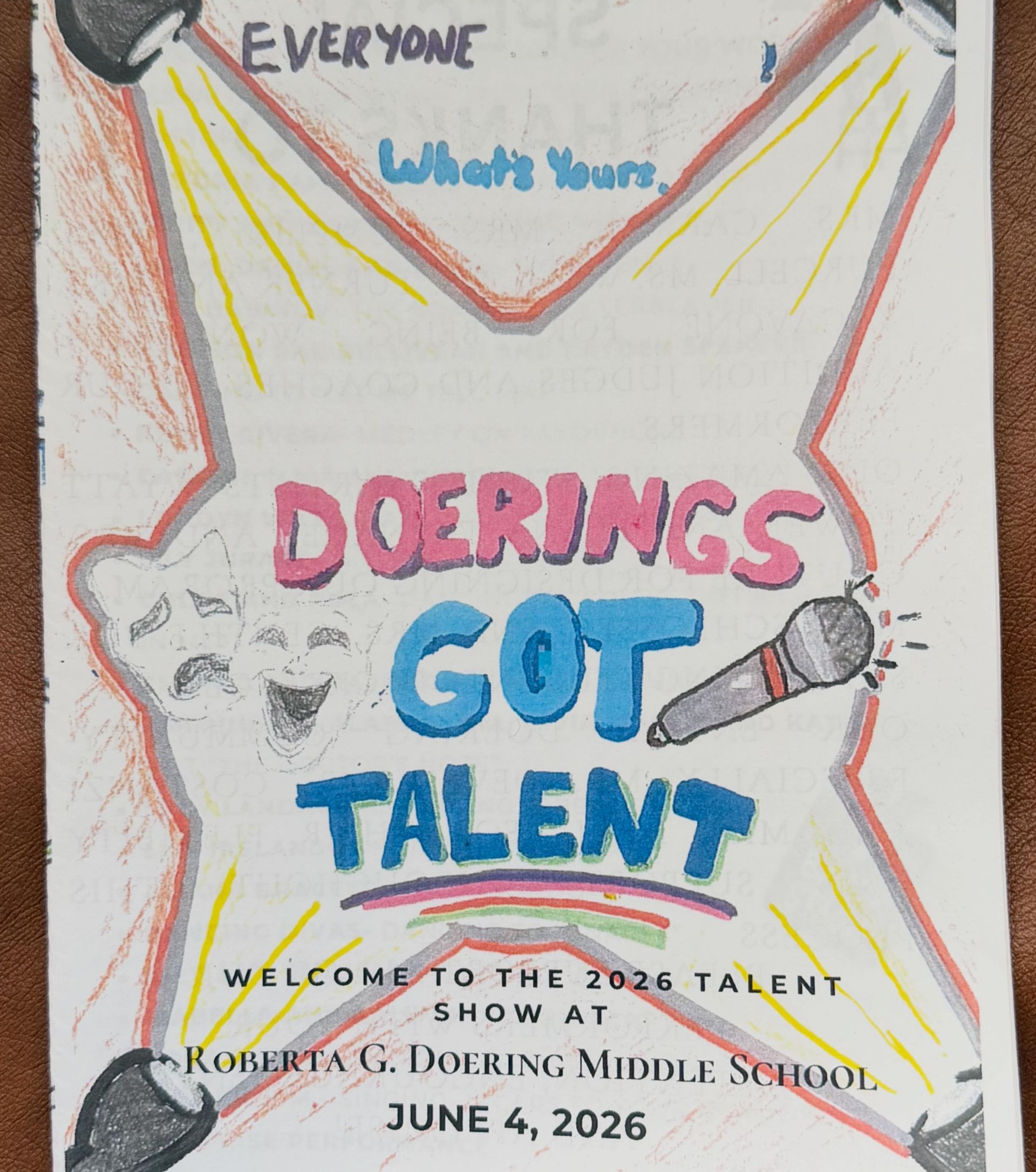
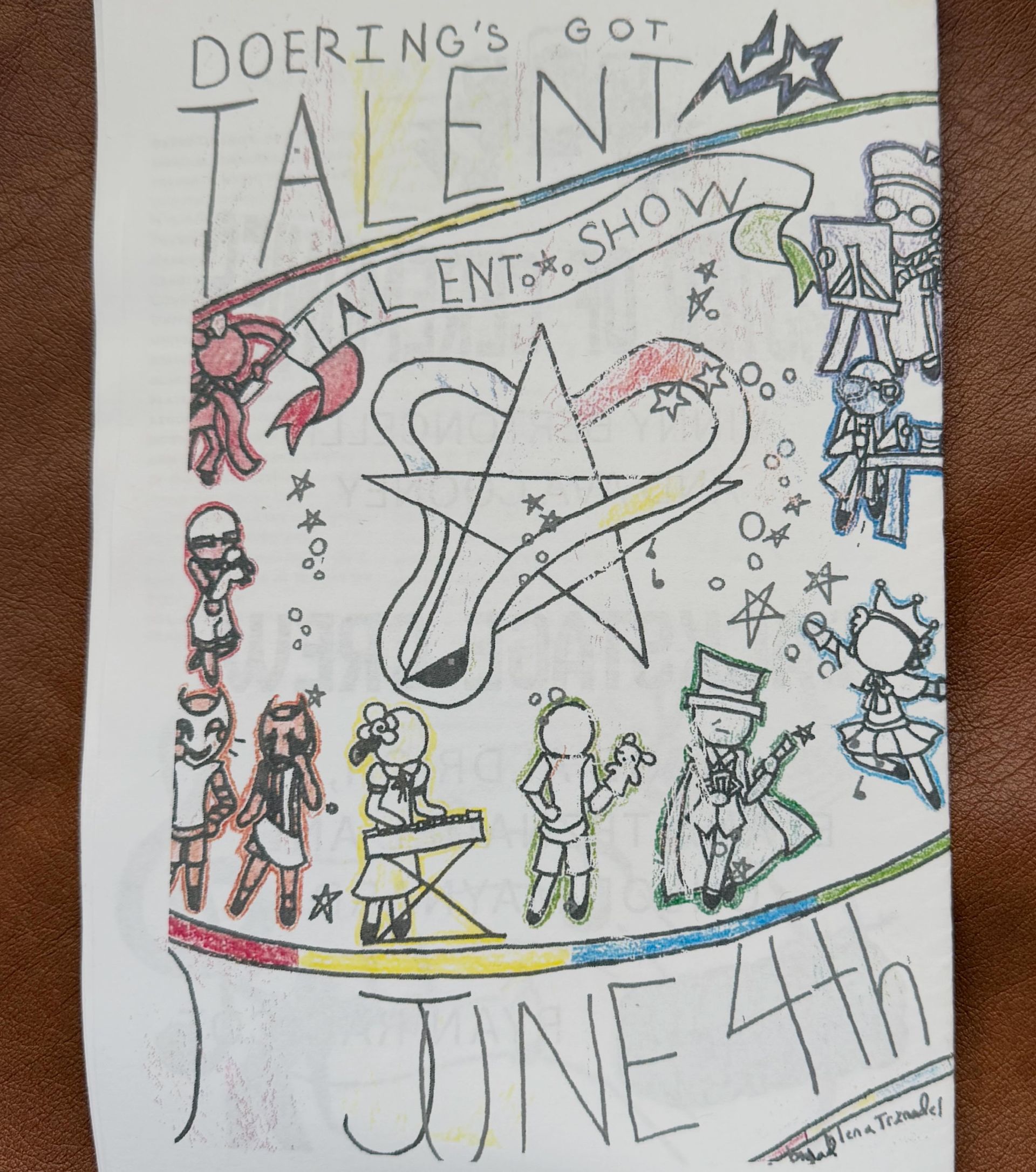
Please enjoy this BEAUTIFUL program designed by a student at Doering Middle School for its talent show. A+++++++