Chess

Choreography Style / Approach


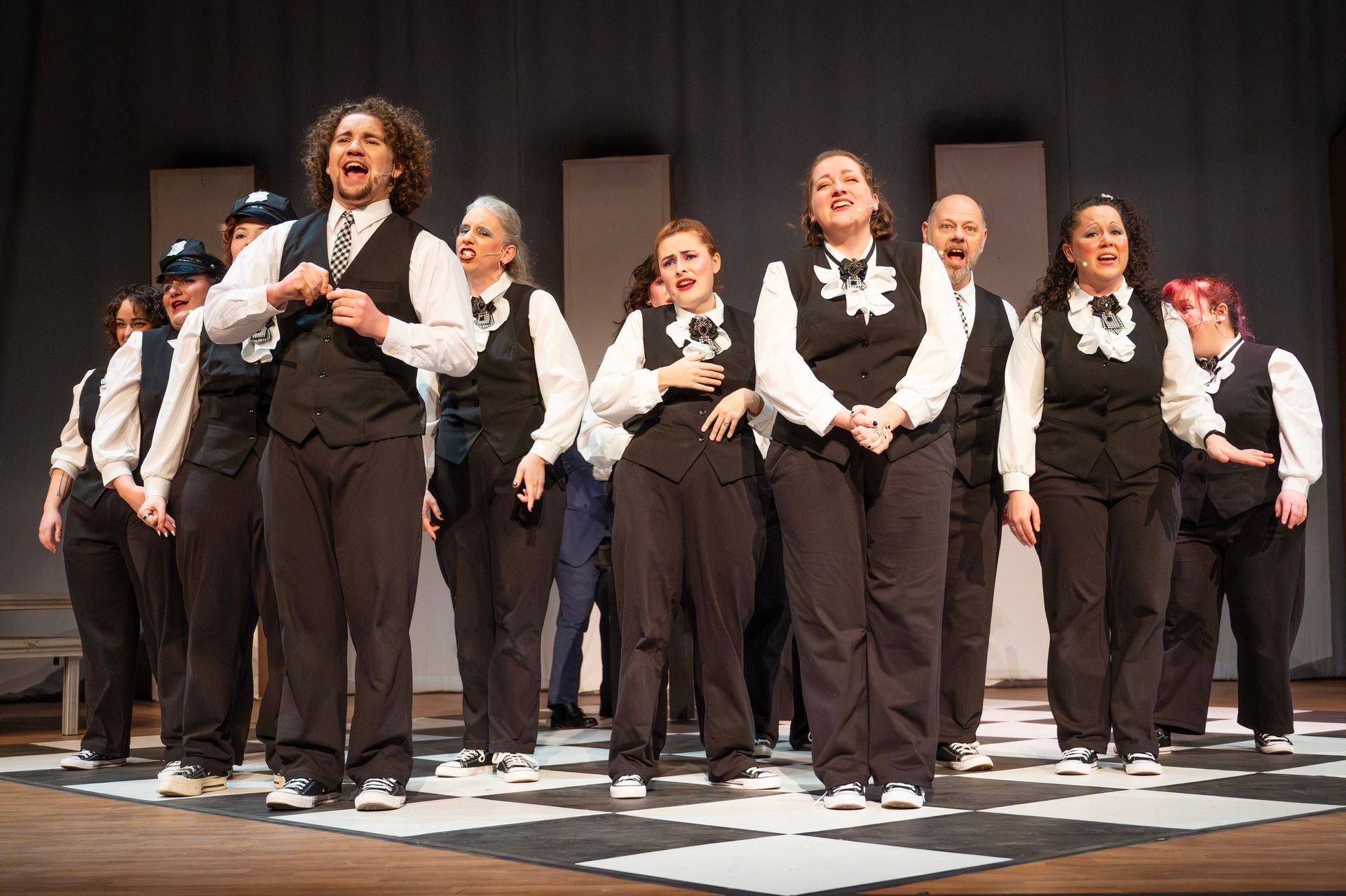
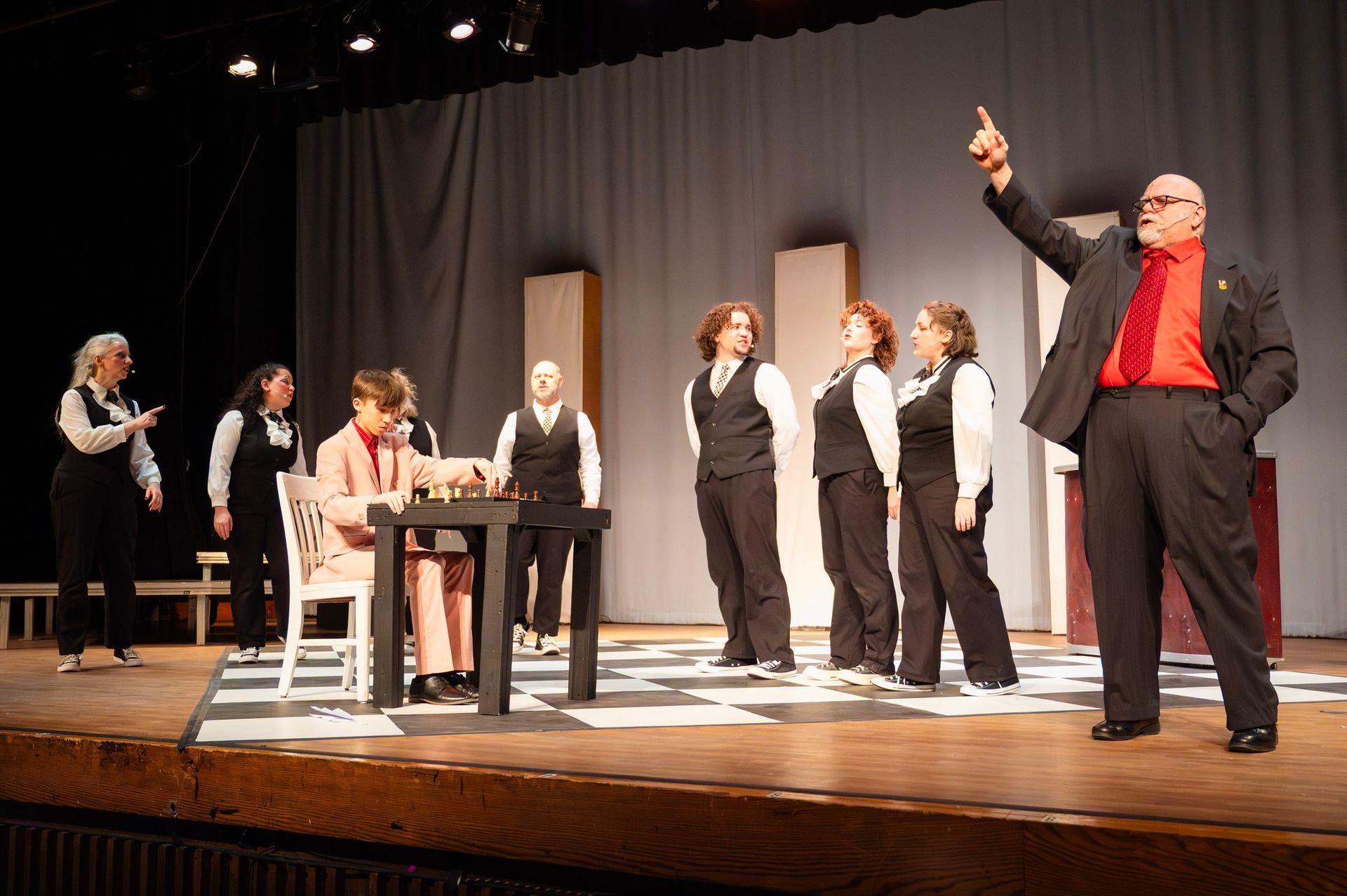
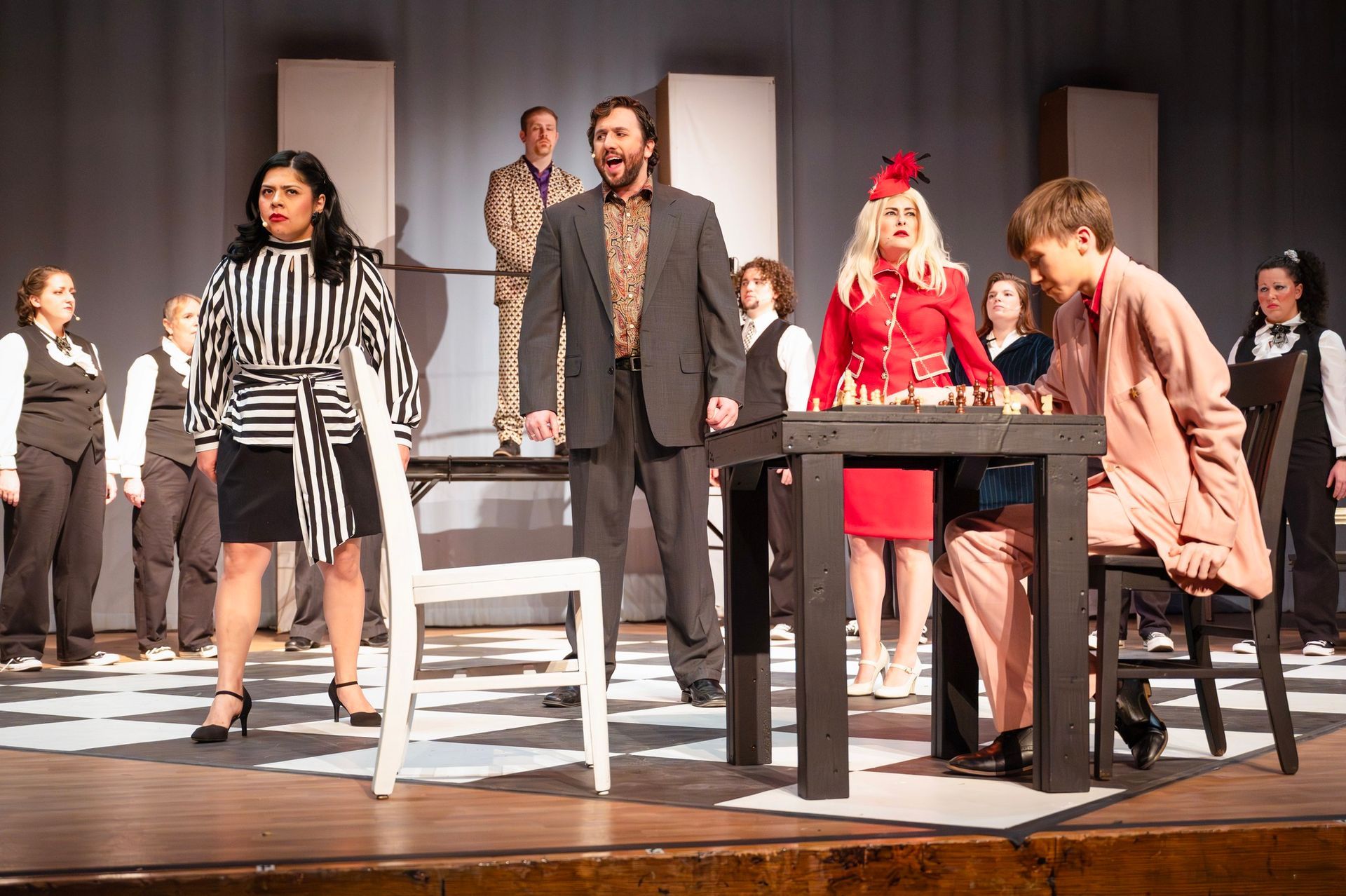
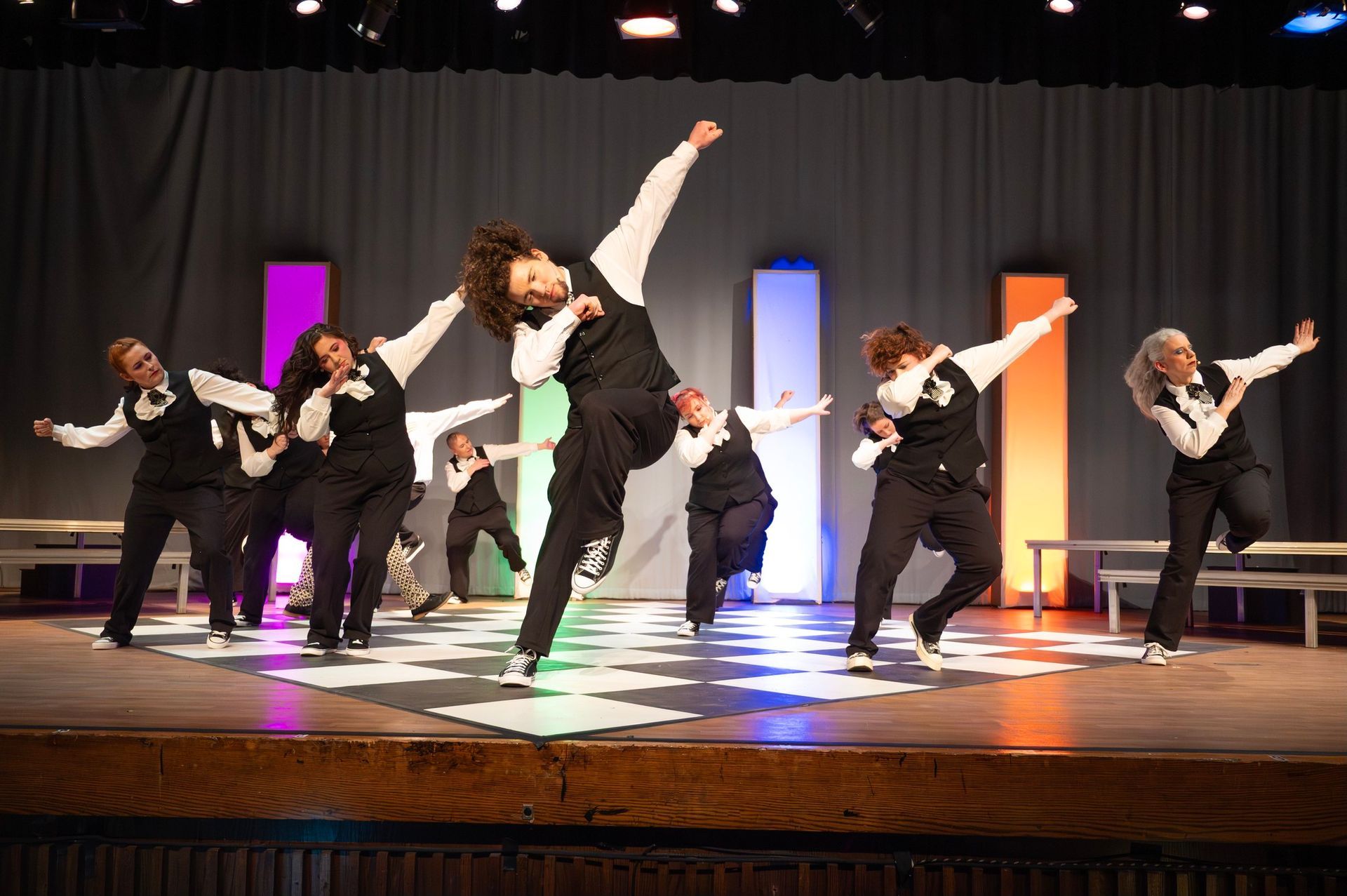
I treated every number as a move in the game itself. The show lives inside control, politics, ego, nationalism, and power. I wanted the movement to feel like strategy unfolding in real time. Nothing could be random. Every shift, every formation, every gesture had to feel intentional, like a calculated play. The score guided everything. I stayed rooted in the style of the music, so the choreography never felt imposed on it. Instead, it grew out of it.


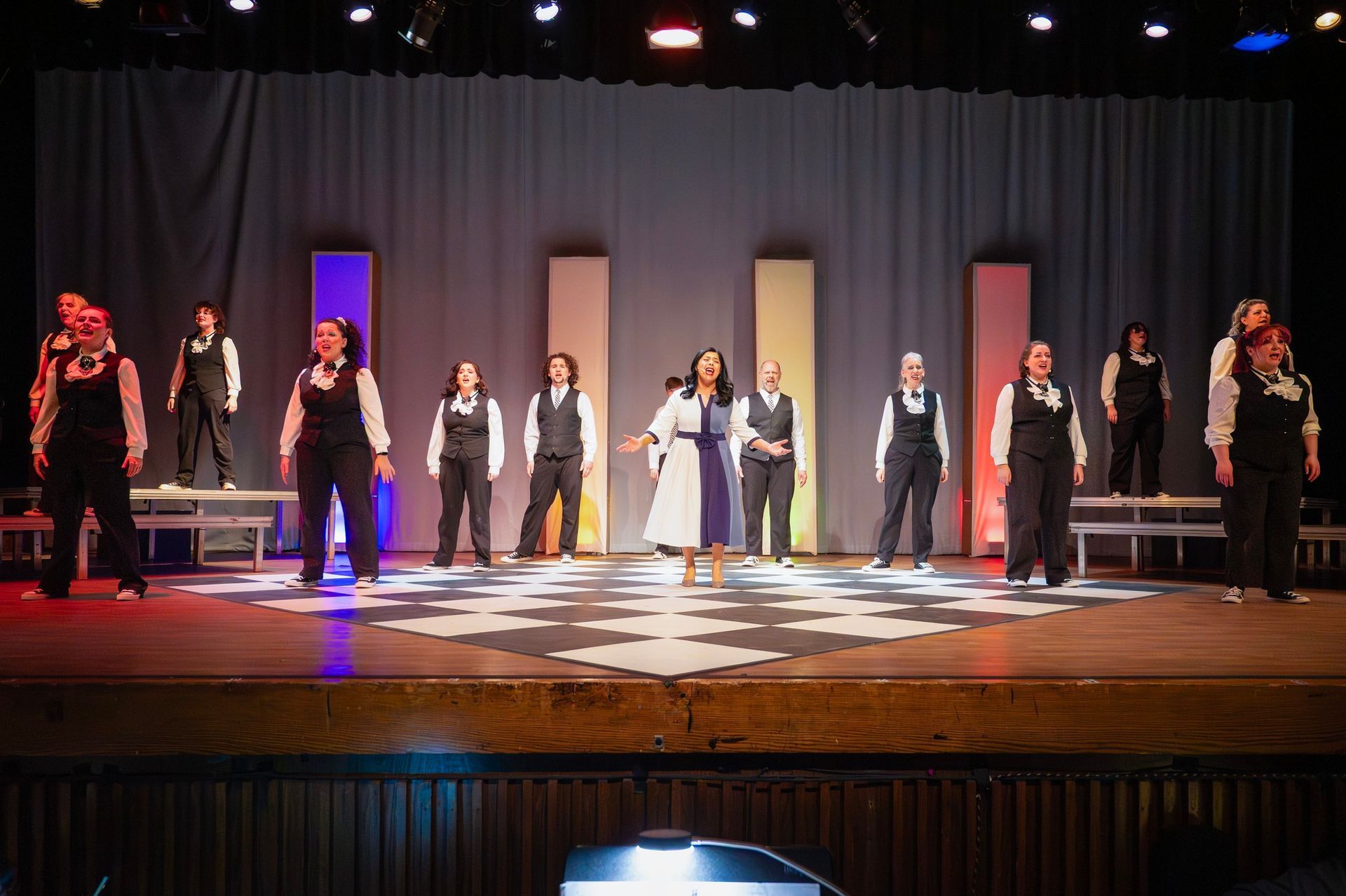
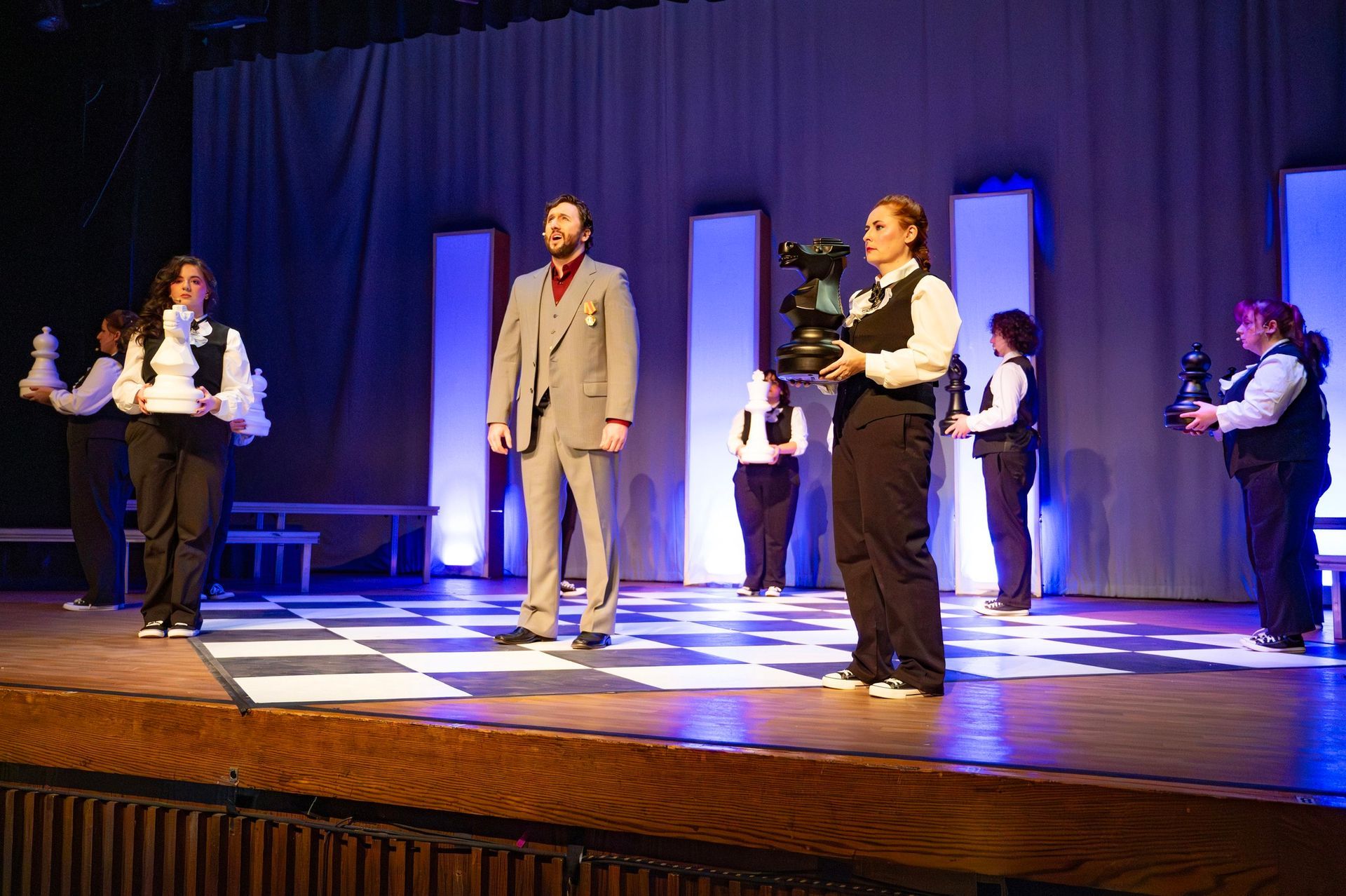
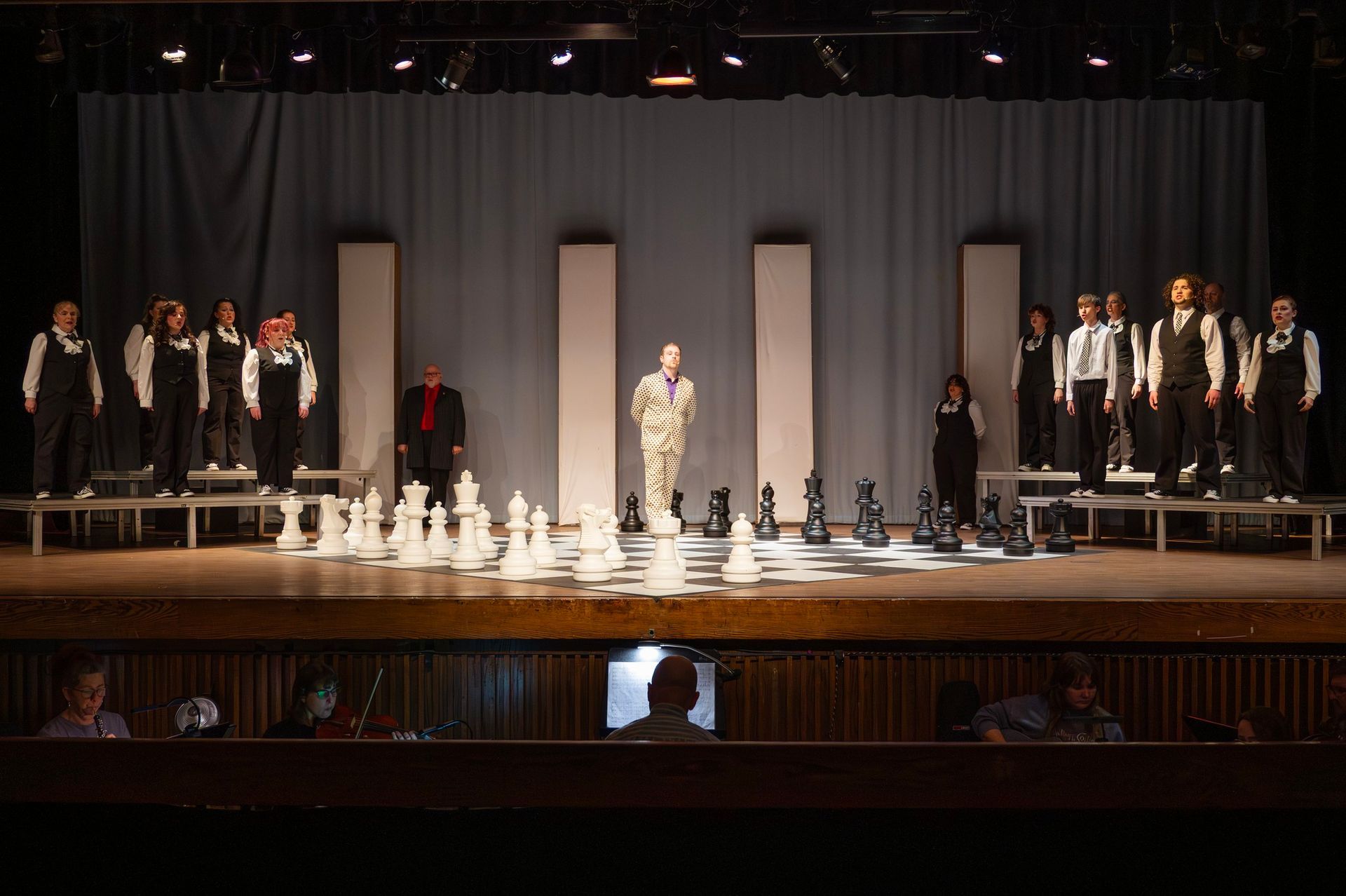
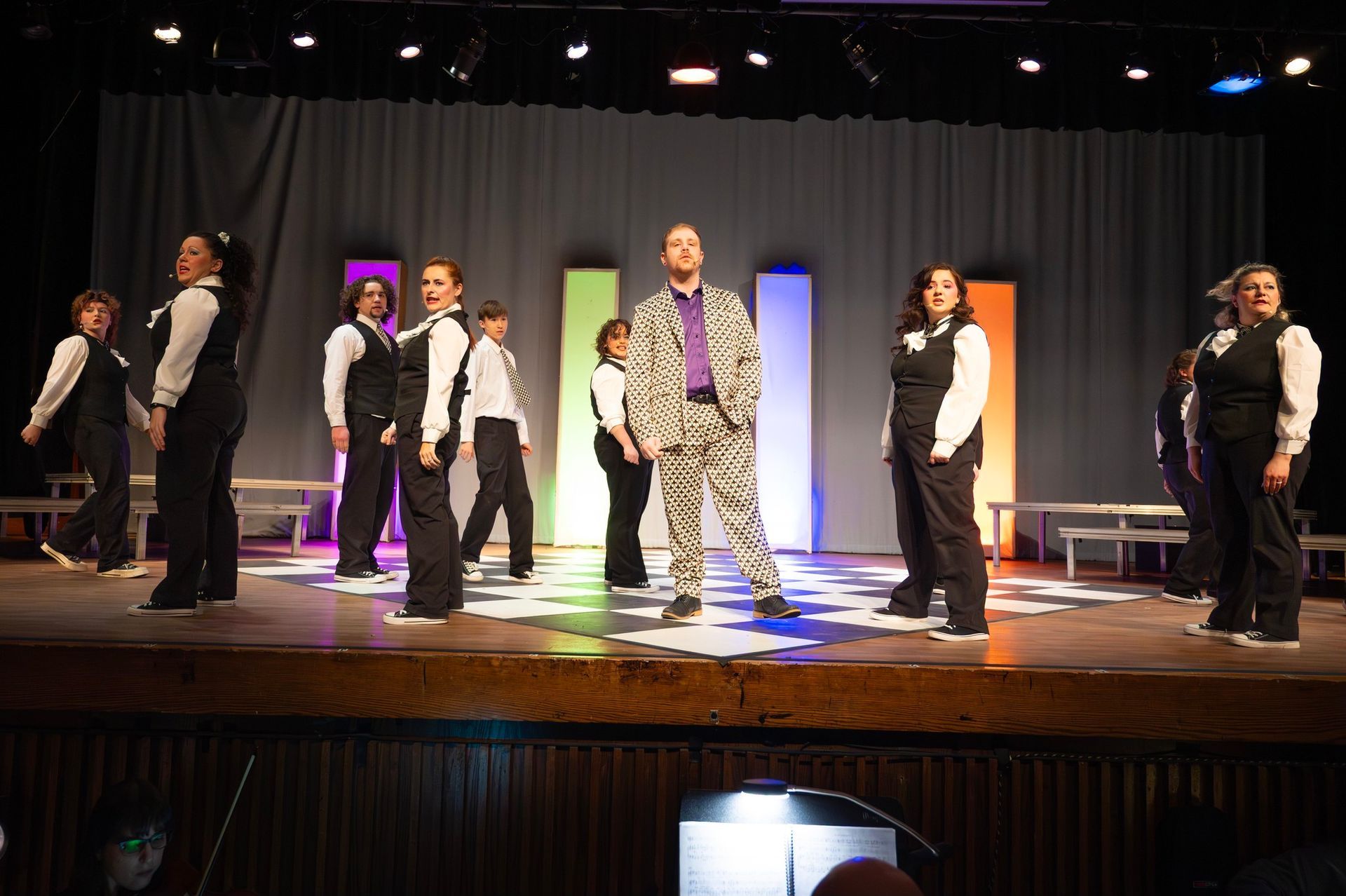
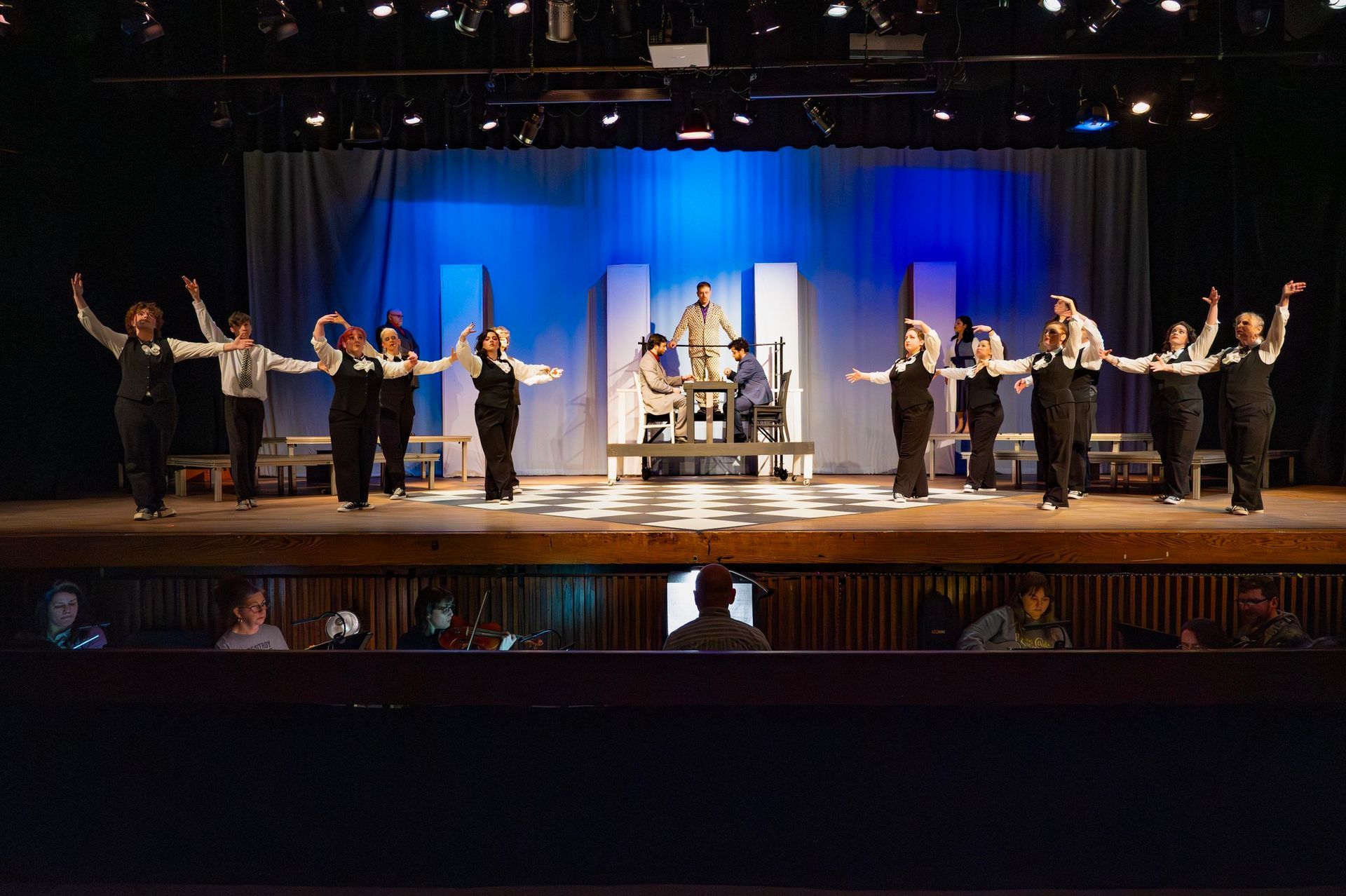
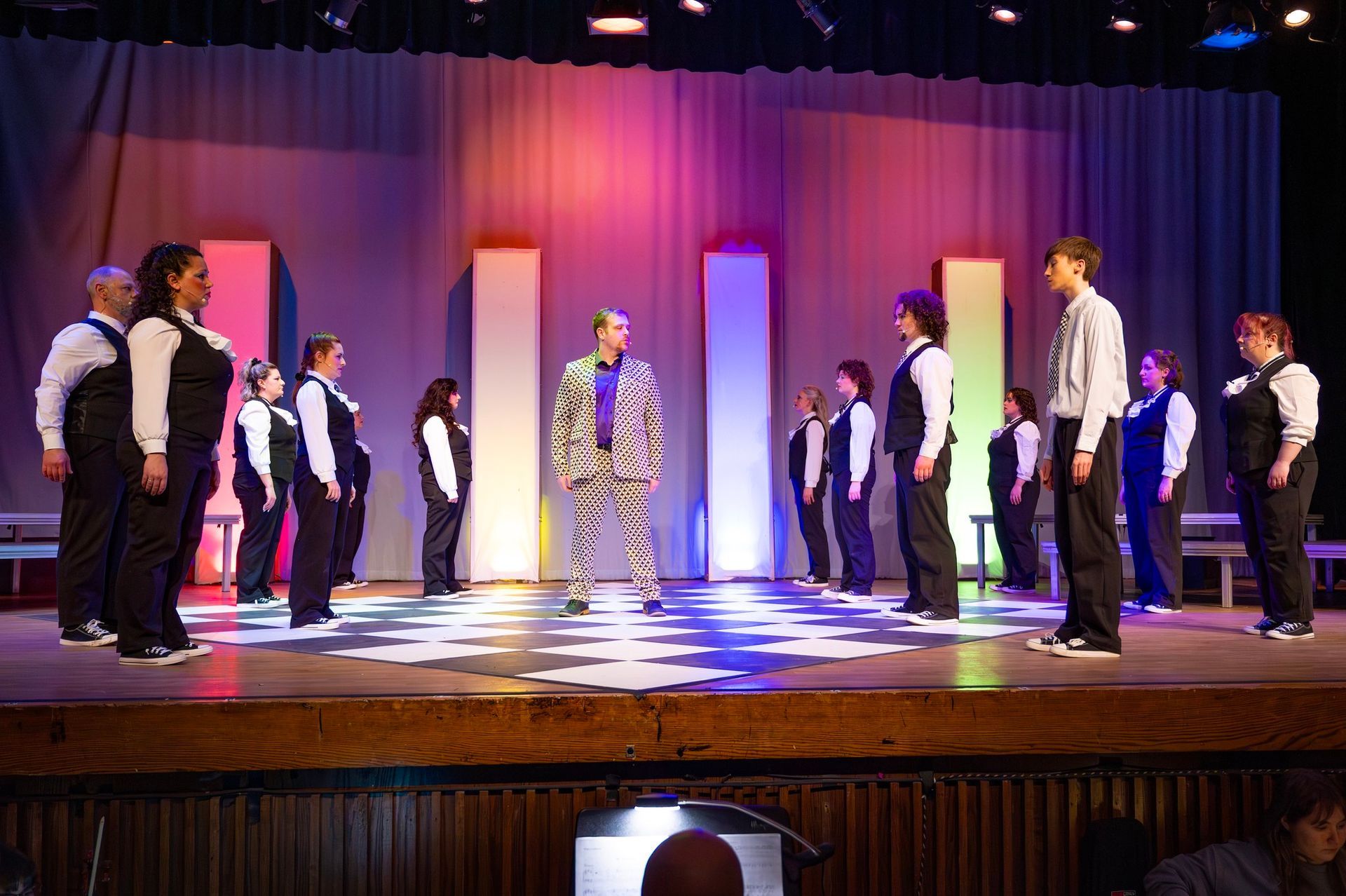
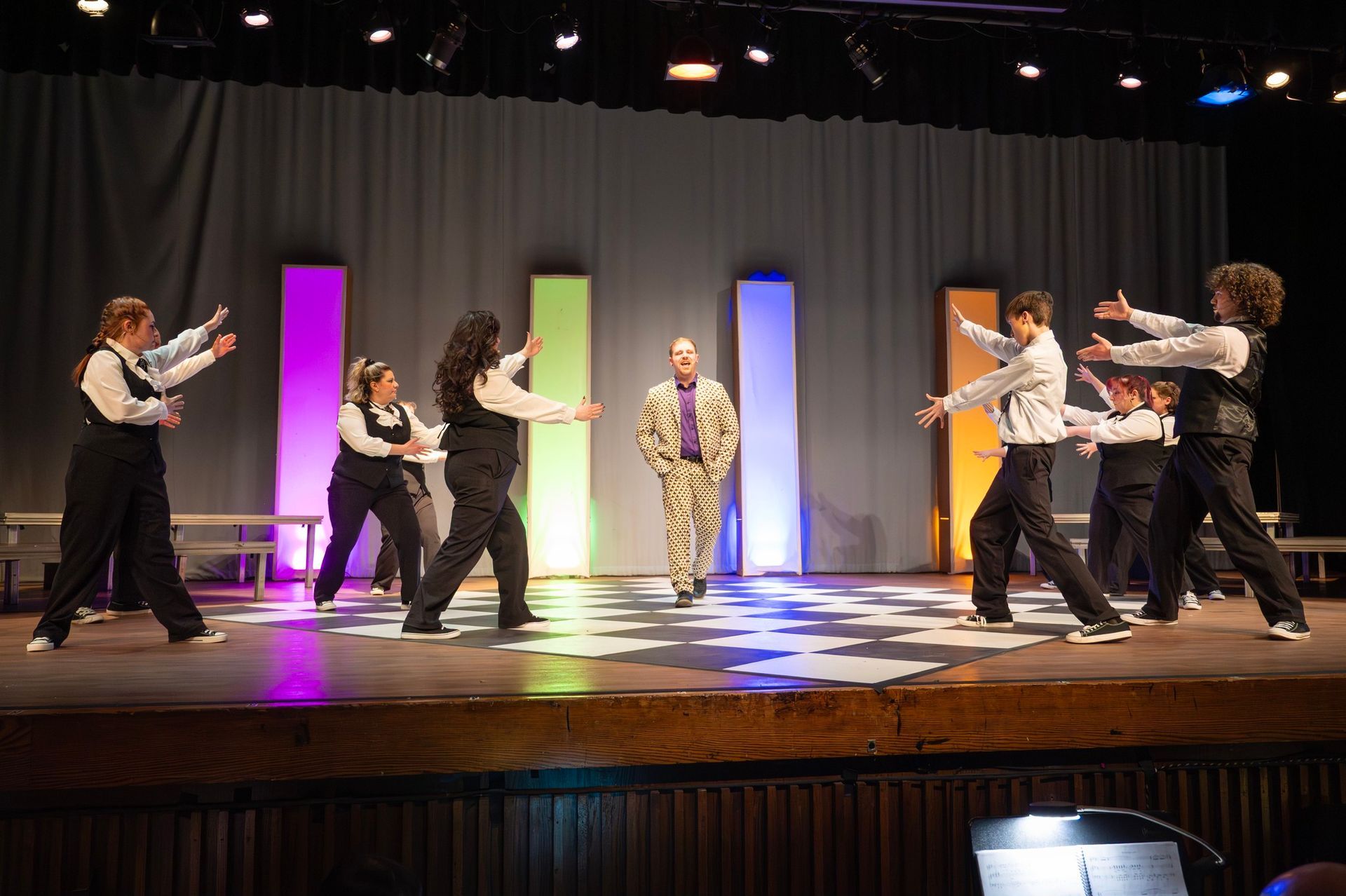
Throughout the production, I kept returning to the idea that chess is political theater. The board is a battlefield. The players are pawns in something larger. The choreography reflected that tension between control and chaos. Some numbers were tightly structured and geometric, echoing the board itself. Others fractured that structure to show what happens when power slips.
Chess


Venue / Company

Opera House Players, CT


Year

2026


Role

Guest Choreographer


Cast Description

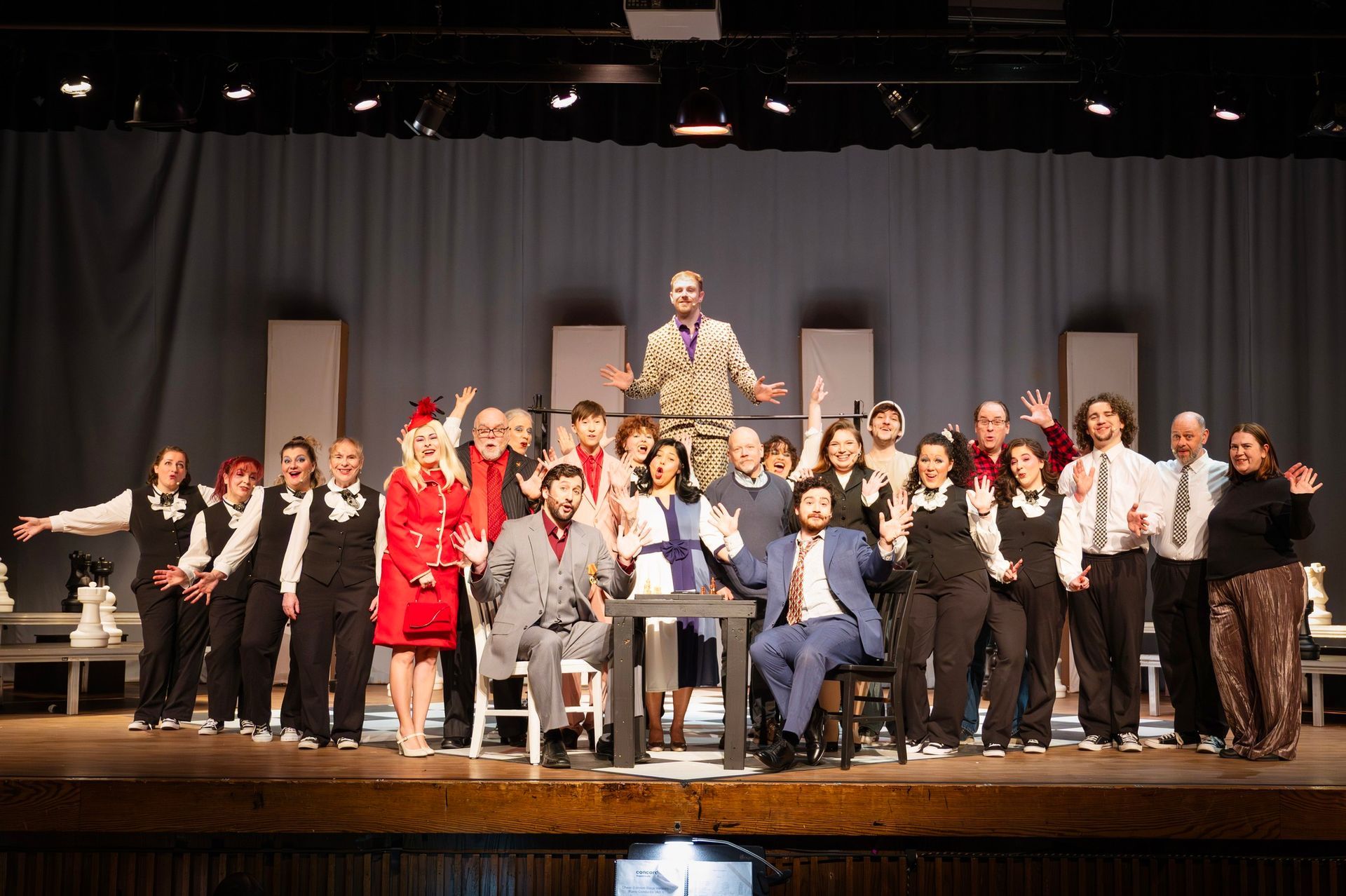
19 Adult Performers; Community Theatre

Choreographed Numbers


  • Arbiter
  • Chess #1
  • Chess #2
  • Bangkok

Challenges / Innovations / Notable Moments


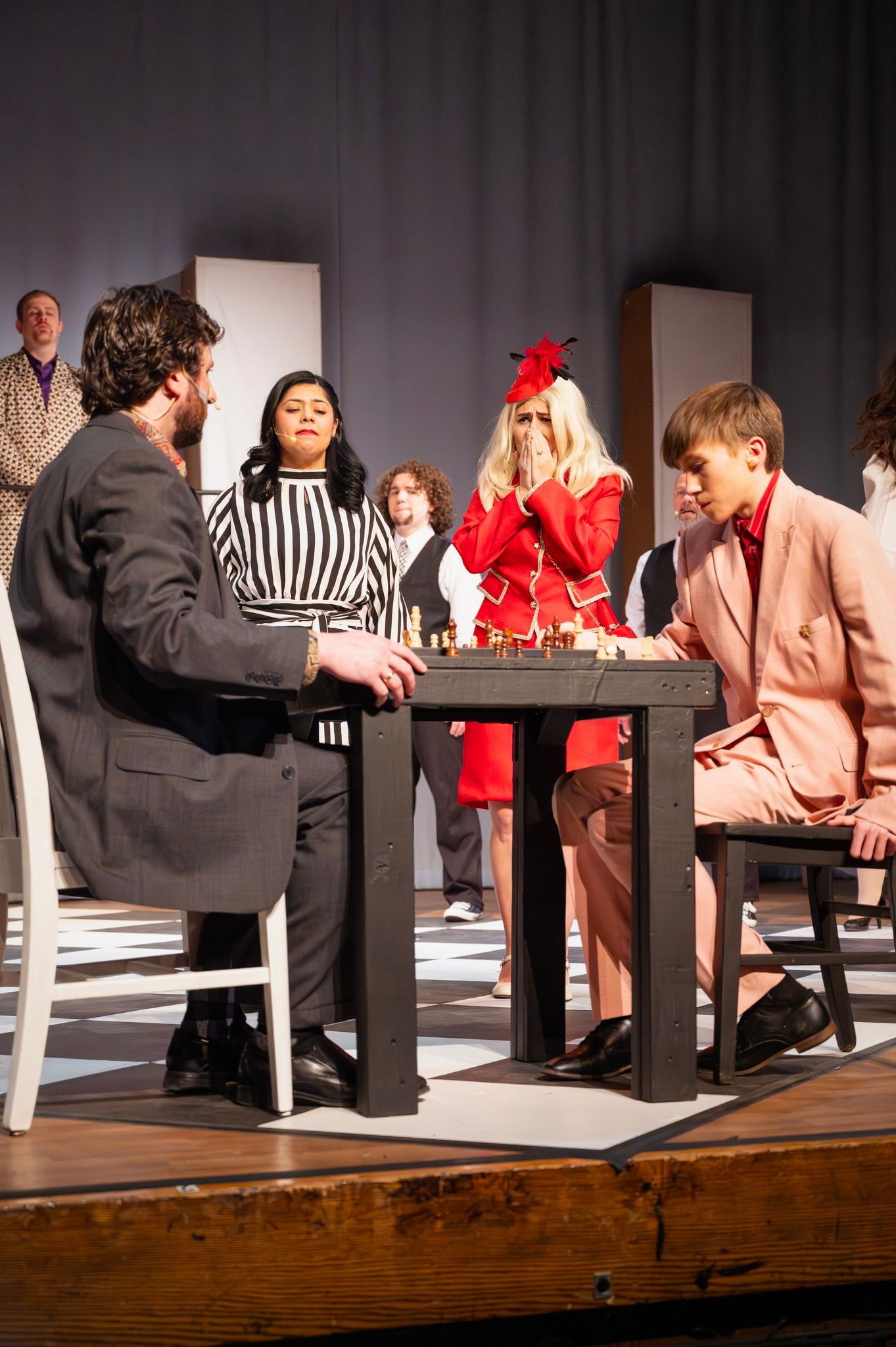
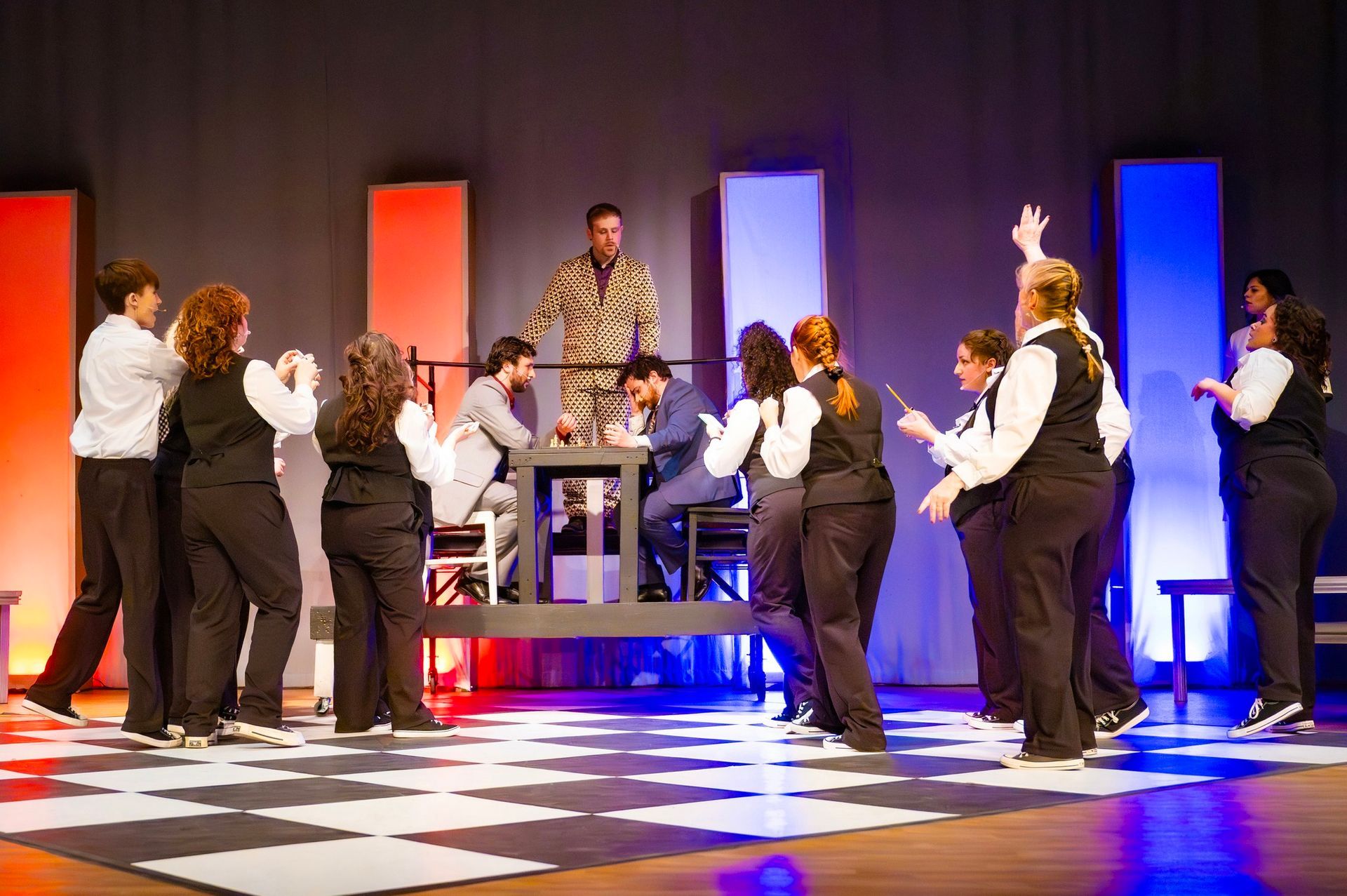
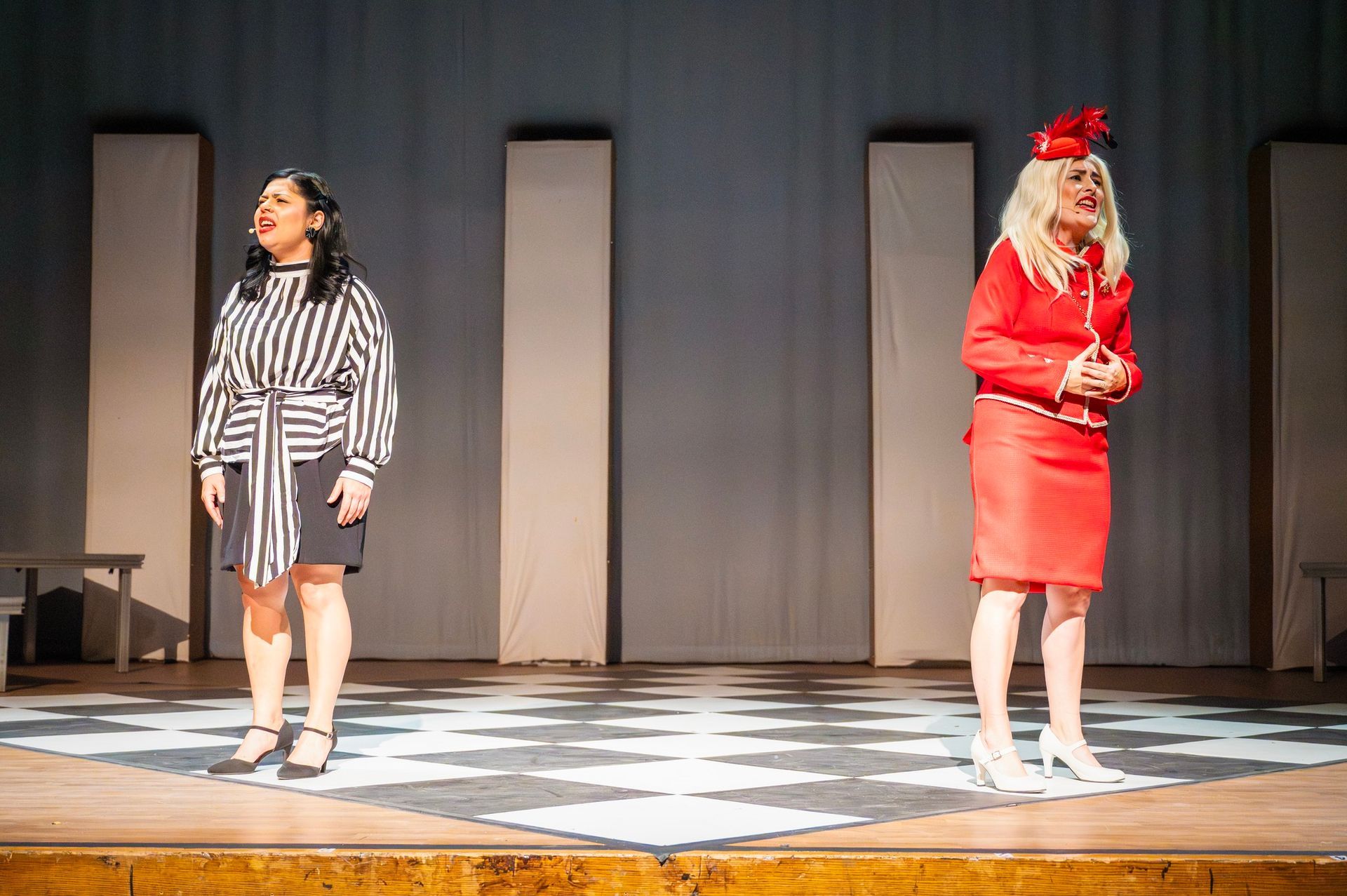
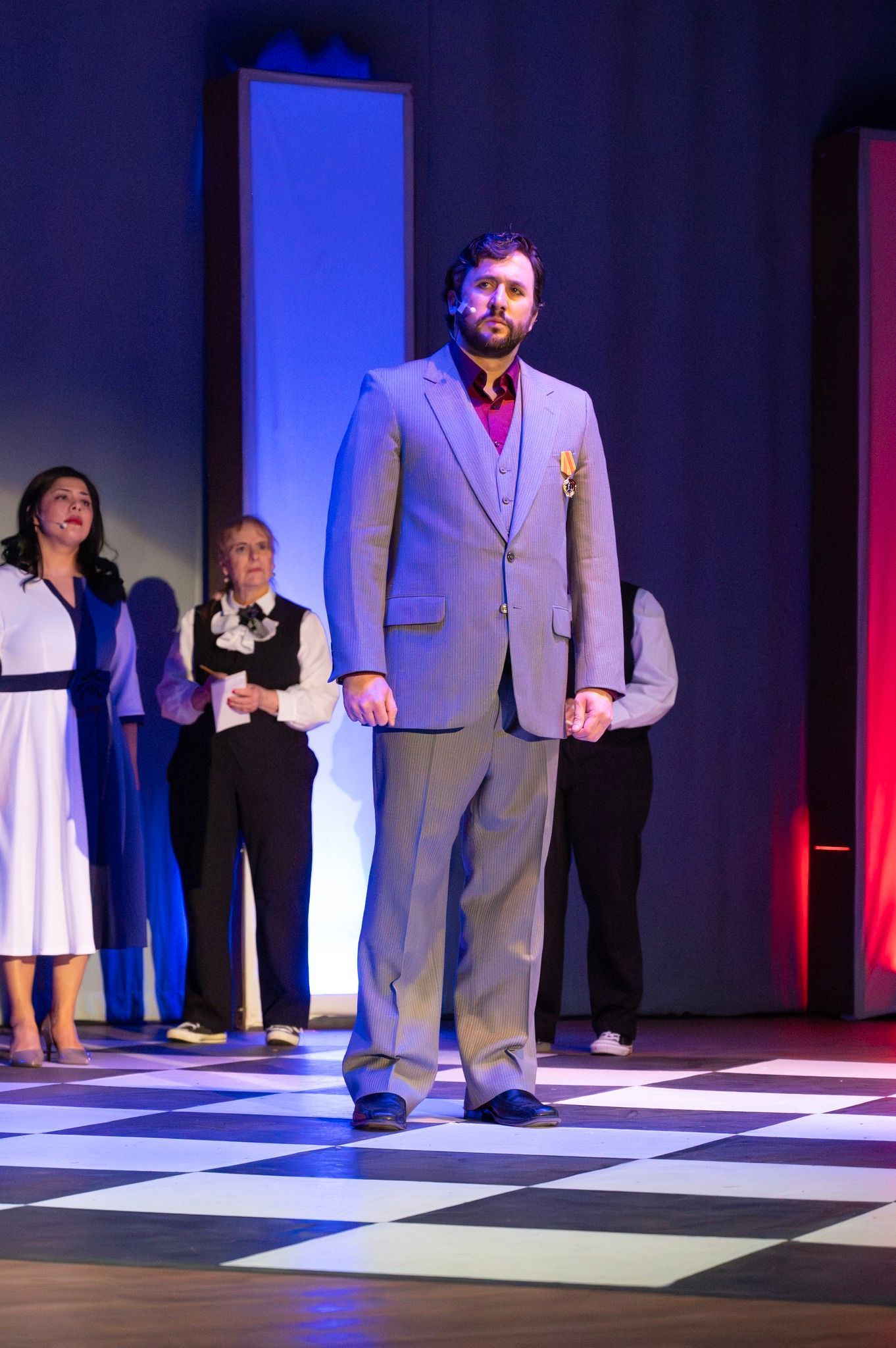
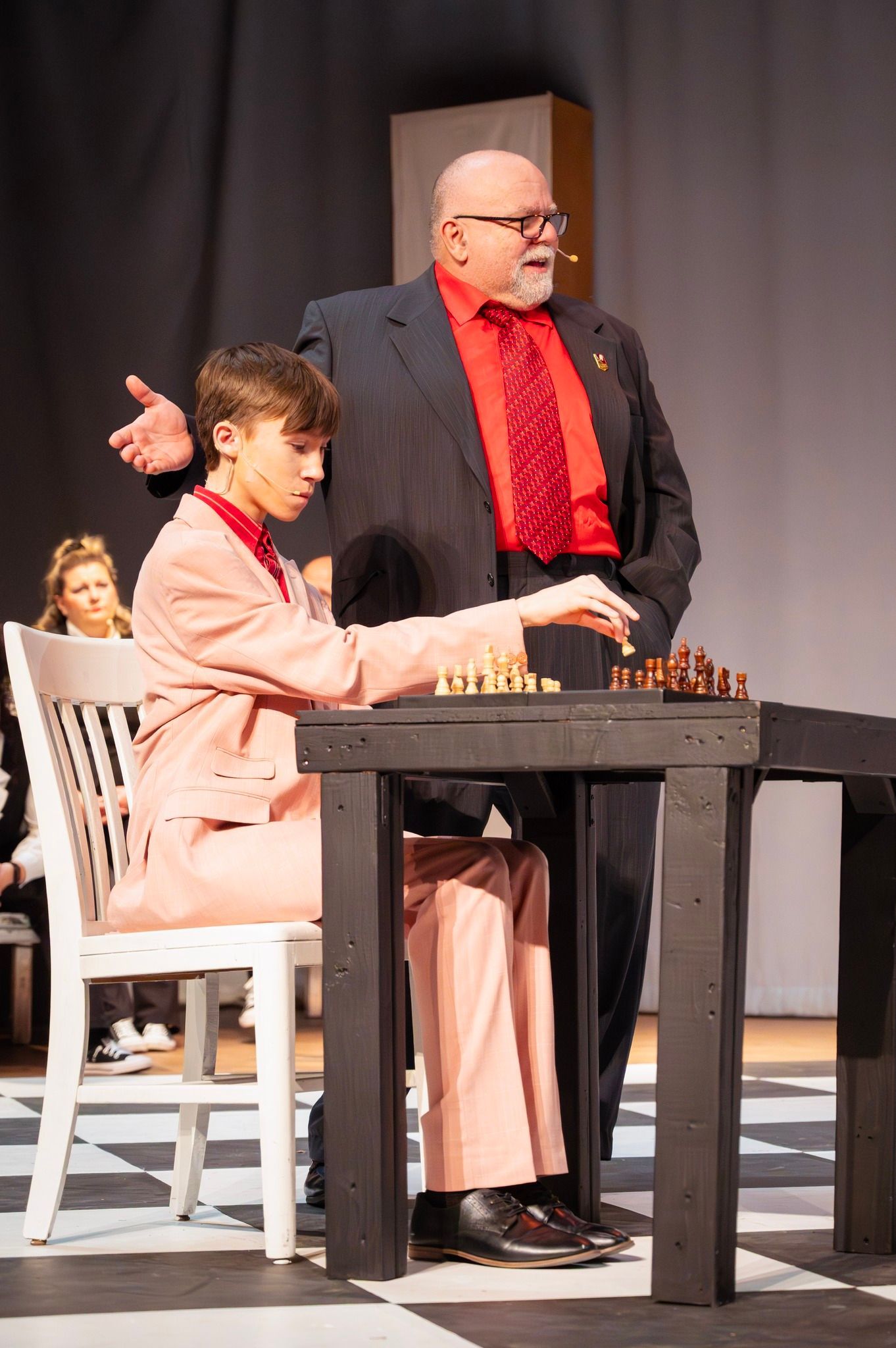
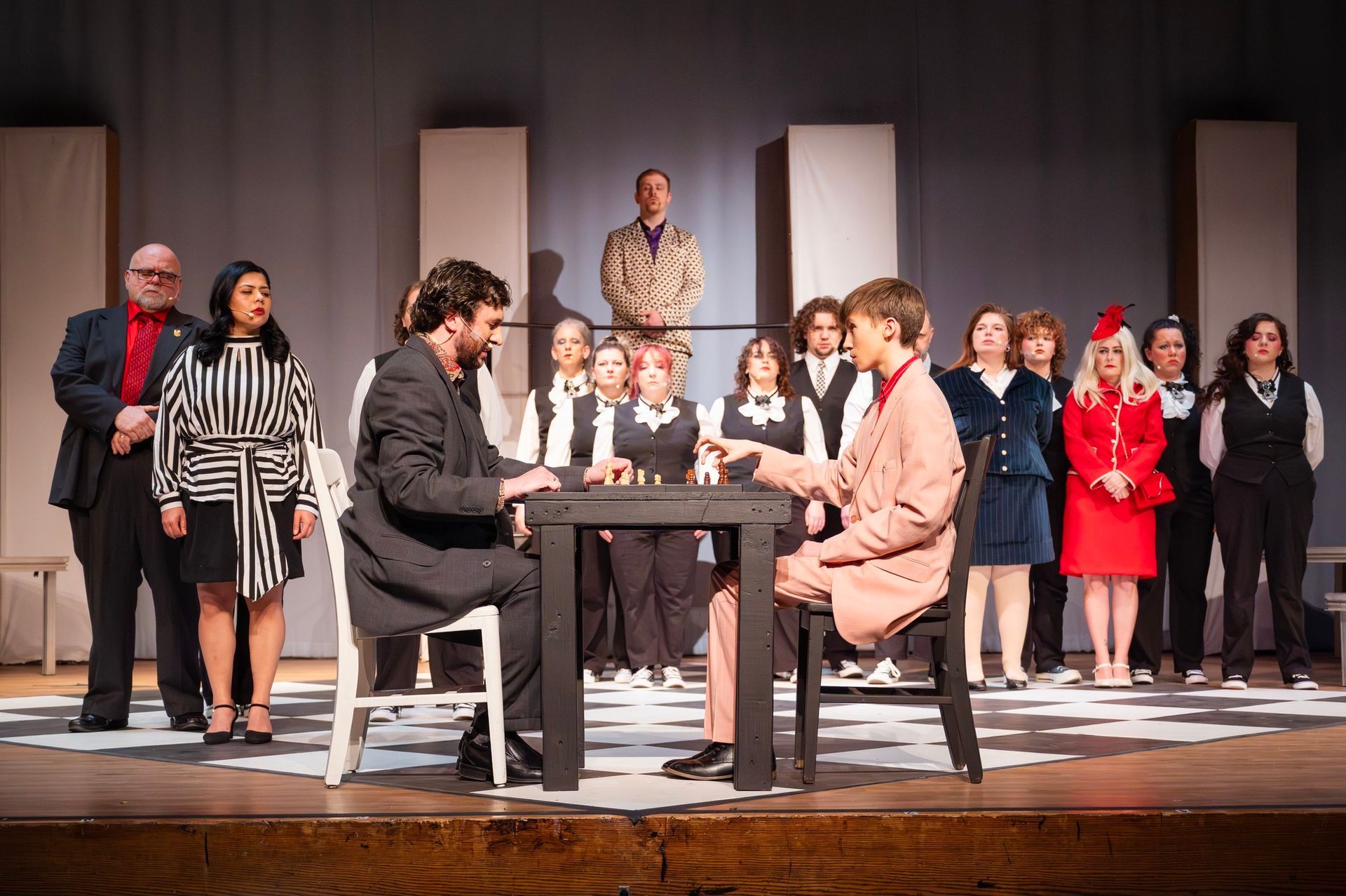
Chess #1 and Chess #2 are staged games between the American and the Russian, both set to instrumental music. Because the Russian wins both matches, we leaned into a Russian ballet influence. The ballet aesthetic elevated the Russian’s dominance without ever turning it into caricature.


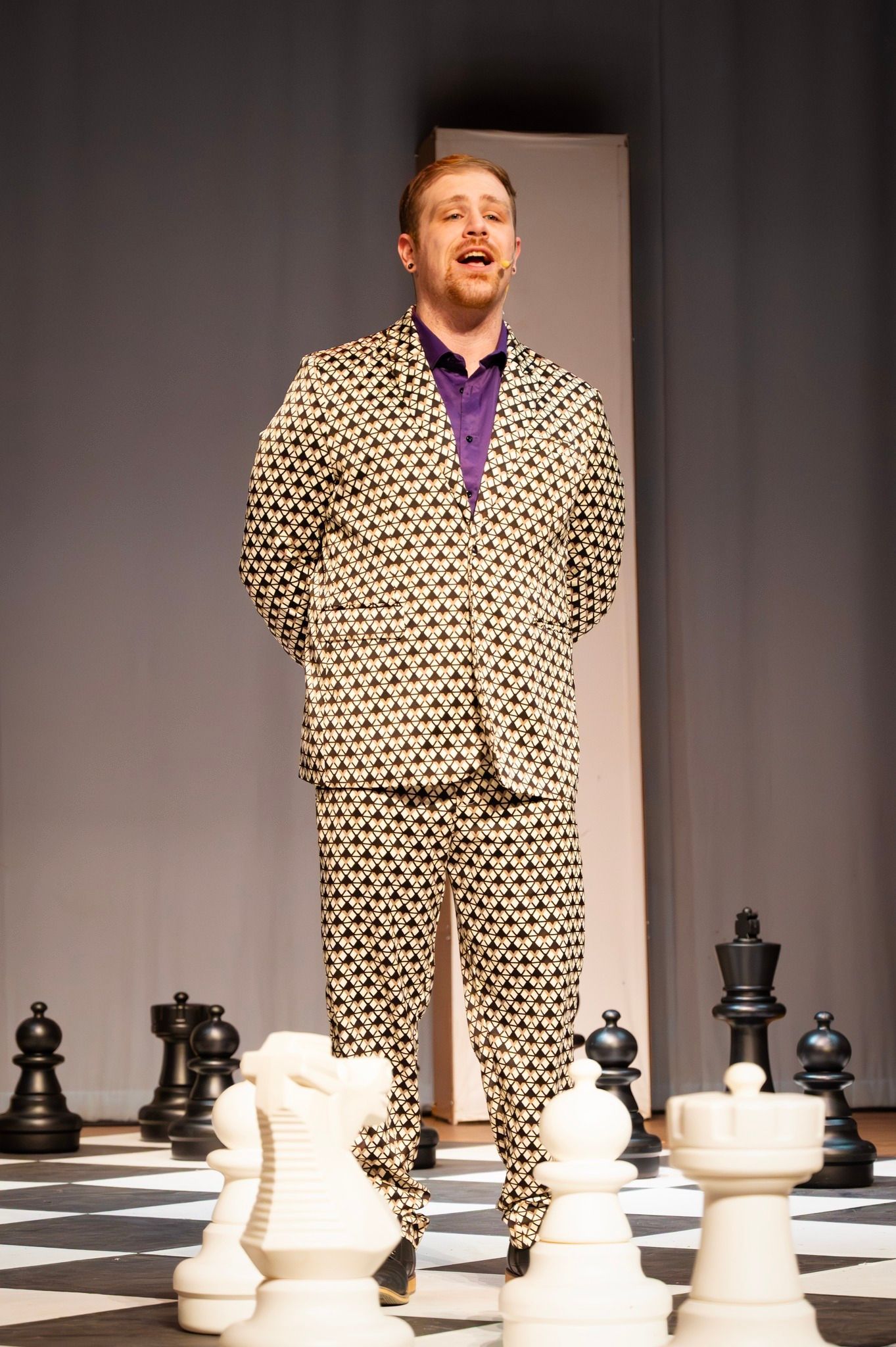
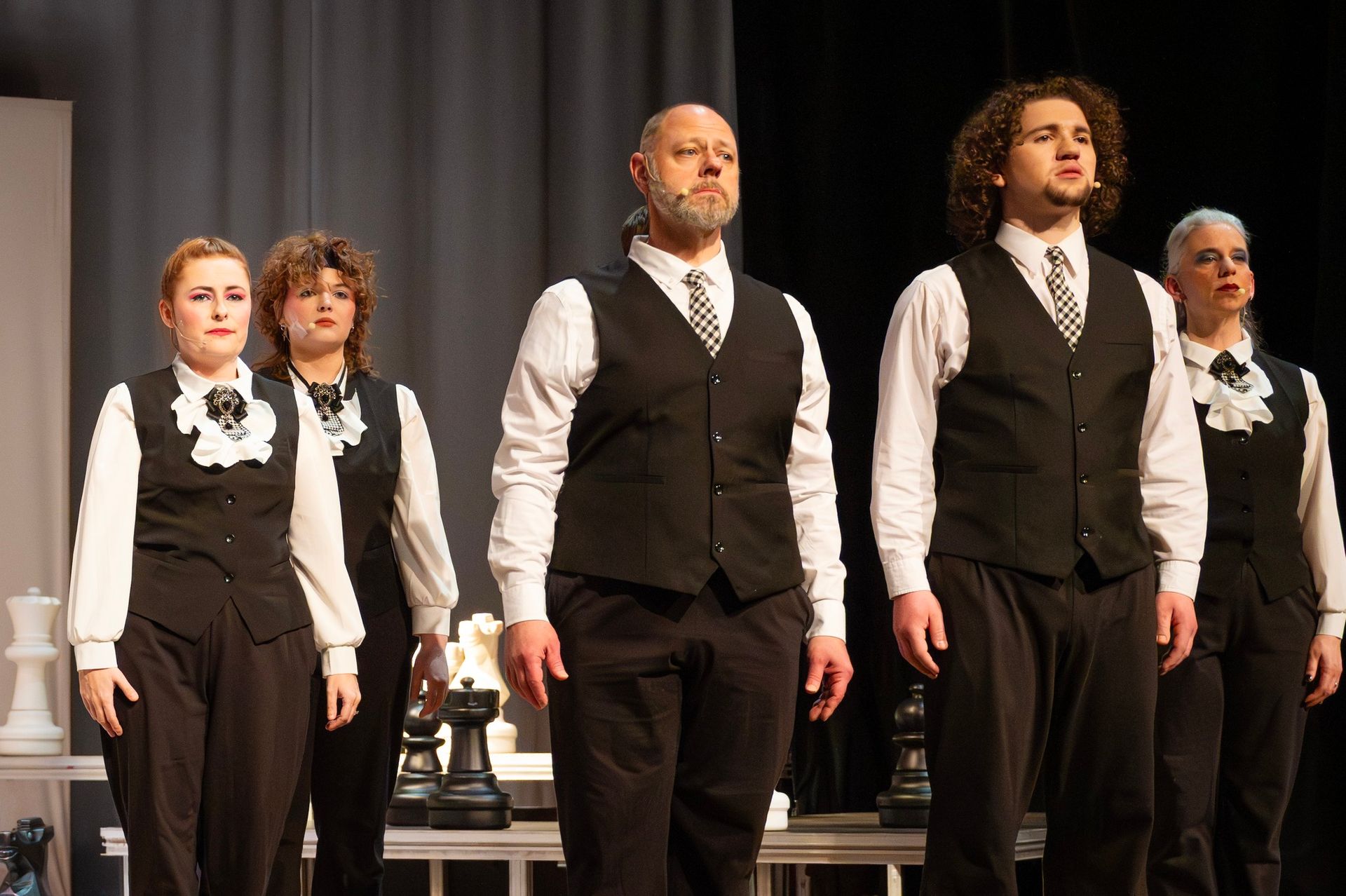
The Arbiter was about order. The choreography was clean, measured, and exact. The movement had sharp timing and deliberate pacing to reinforce that he controls the board, the players, and the rhythm of the competition.


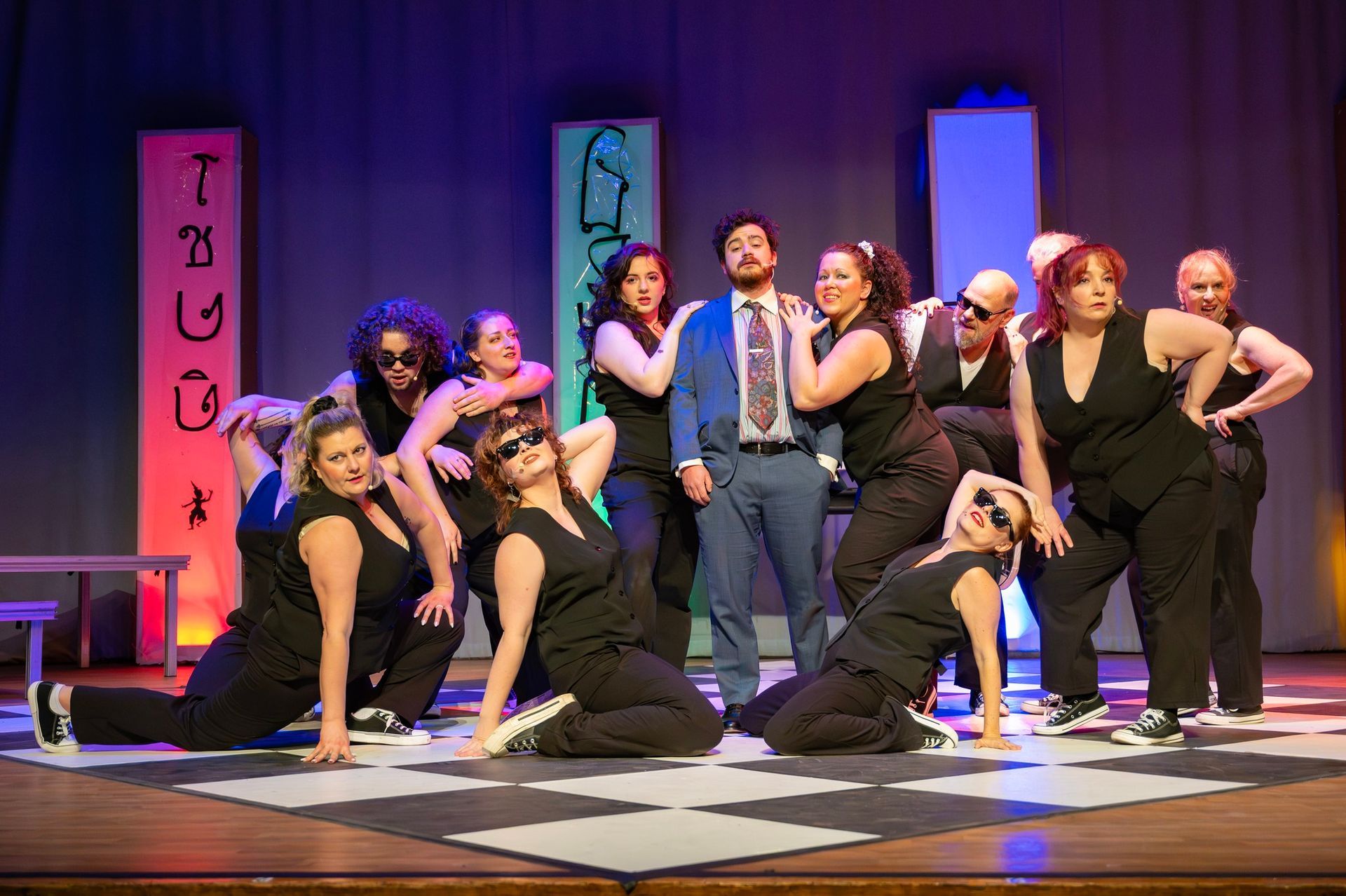
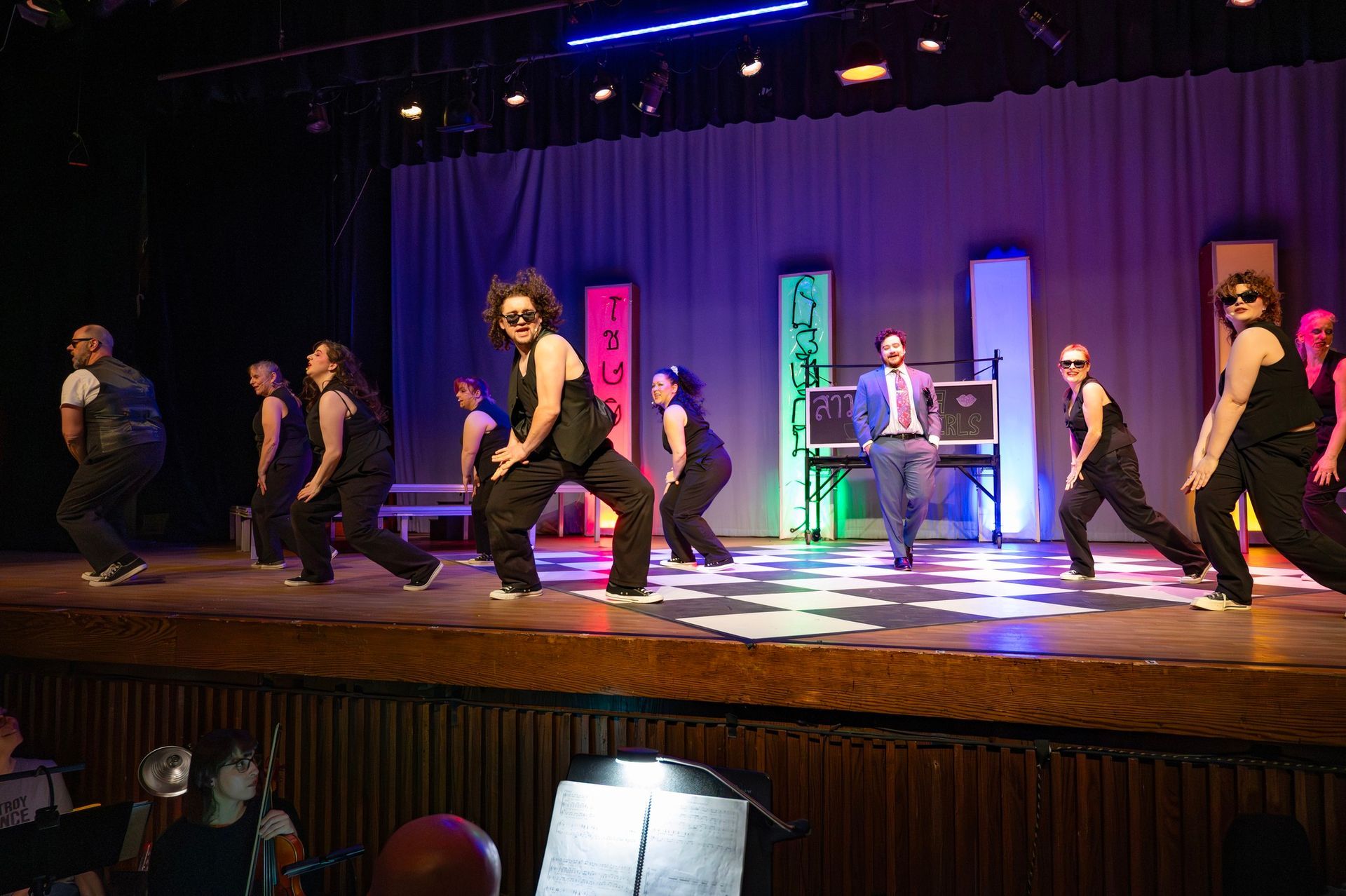
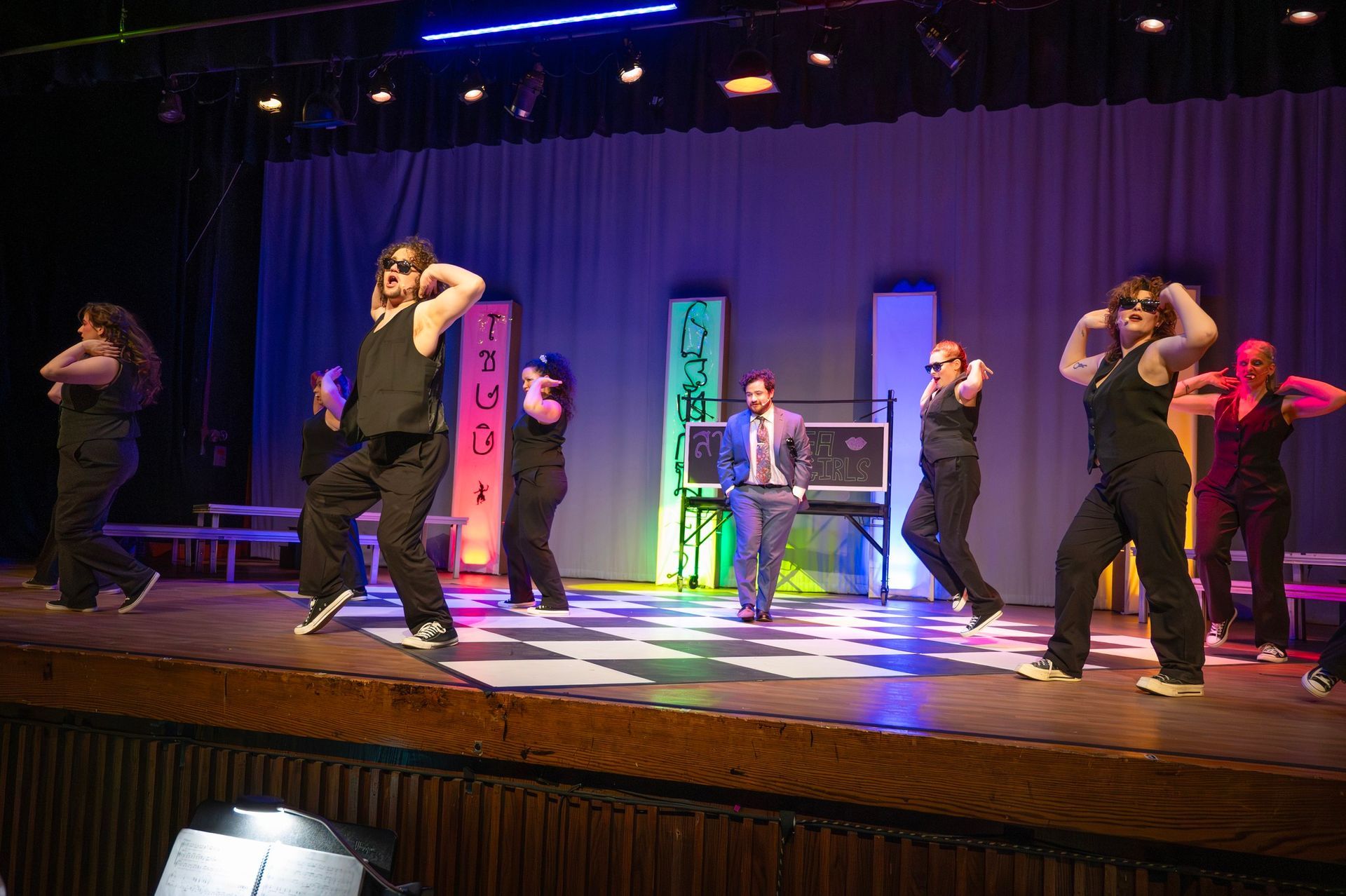
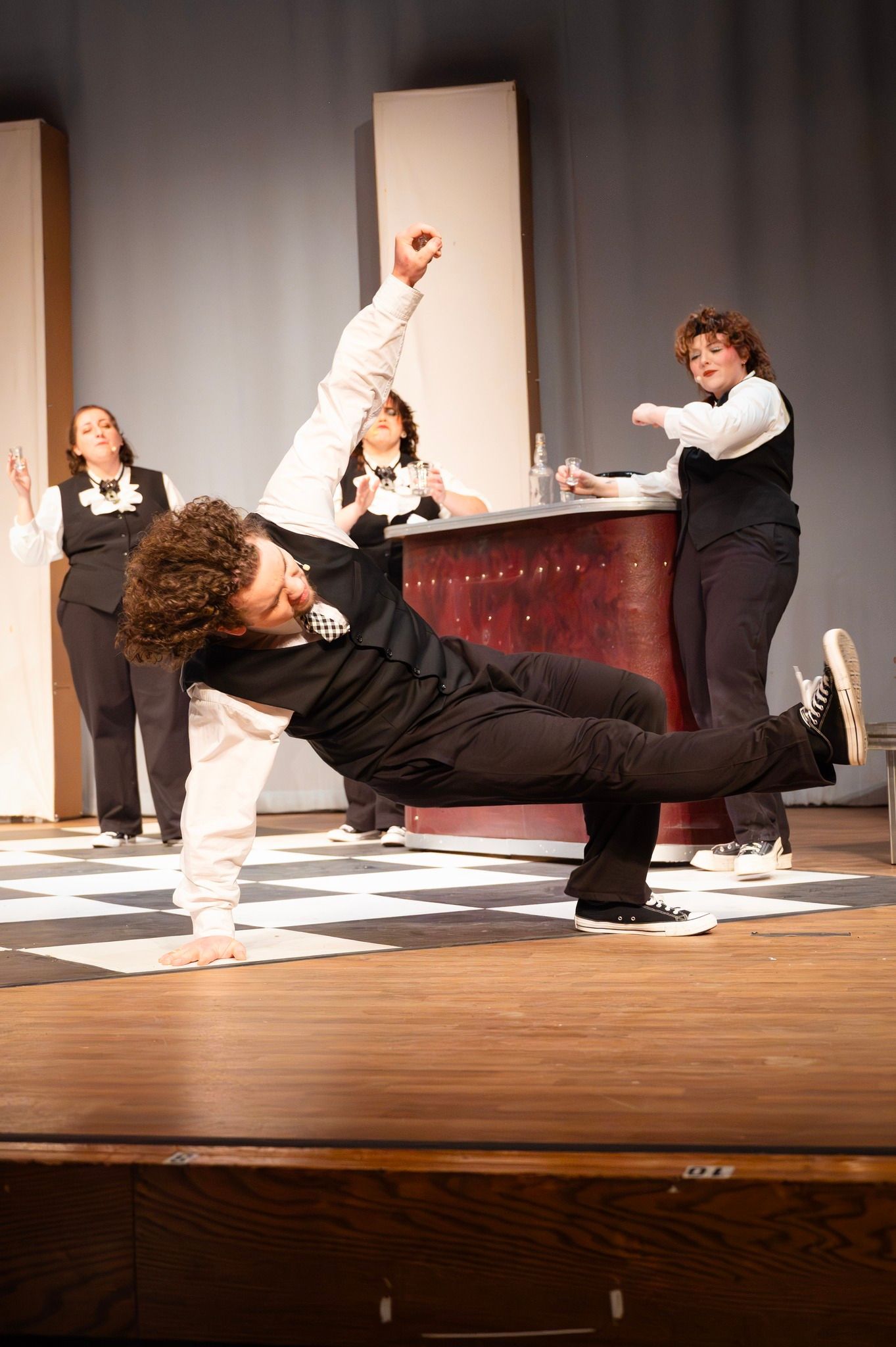
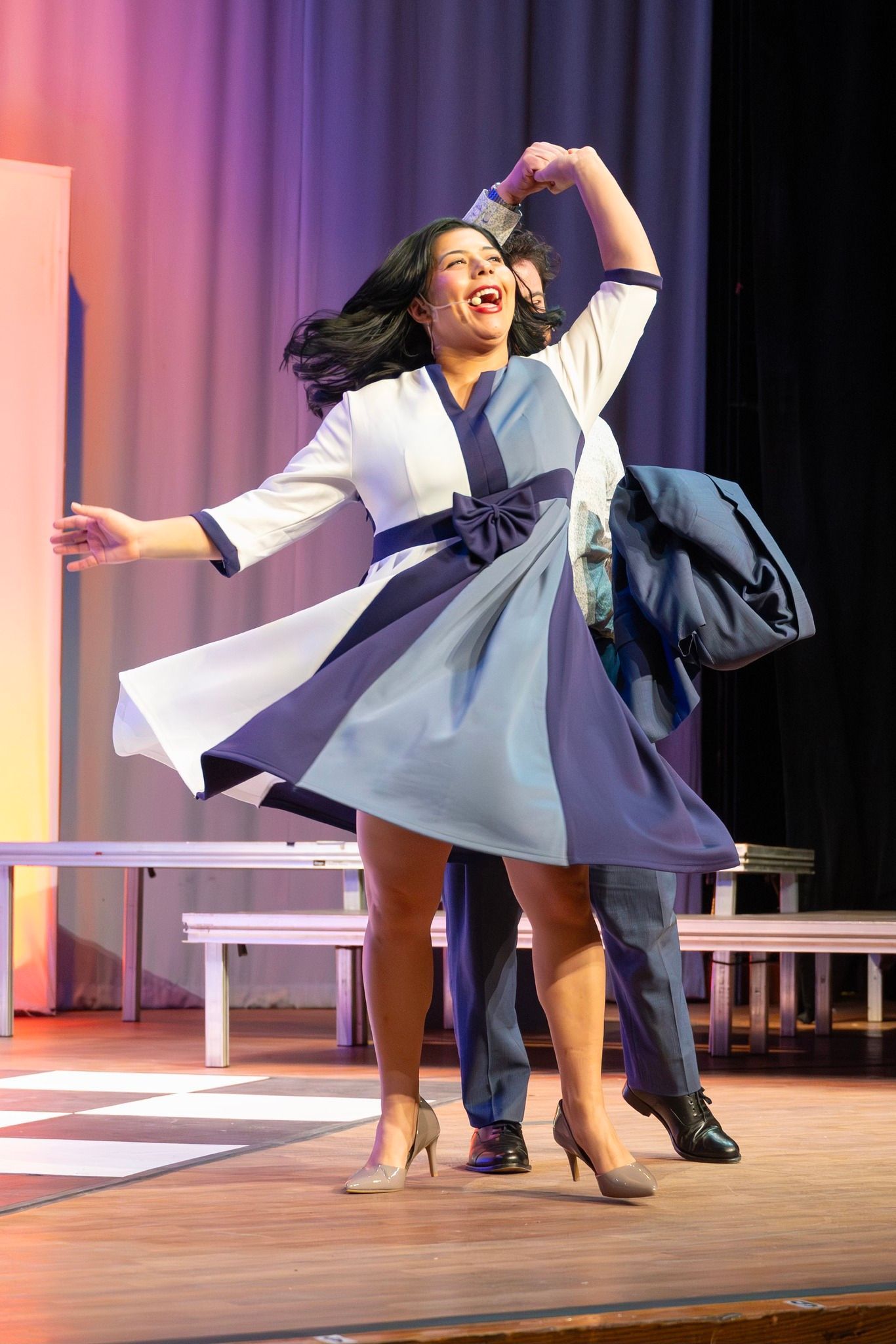
  • Bangkok shifted the energy entirely. This number lives in excess and temptation. The movement had a club-like pulse with sharper isolations and more attitude. Where the chess matches were about rigid structure, “Bangkok” allowed the ensemble to break rules.

Video Highlight


con·tact

Contact Us